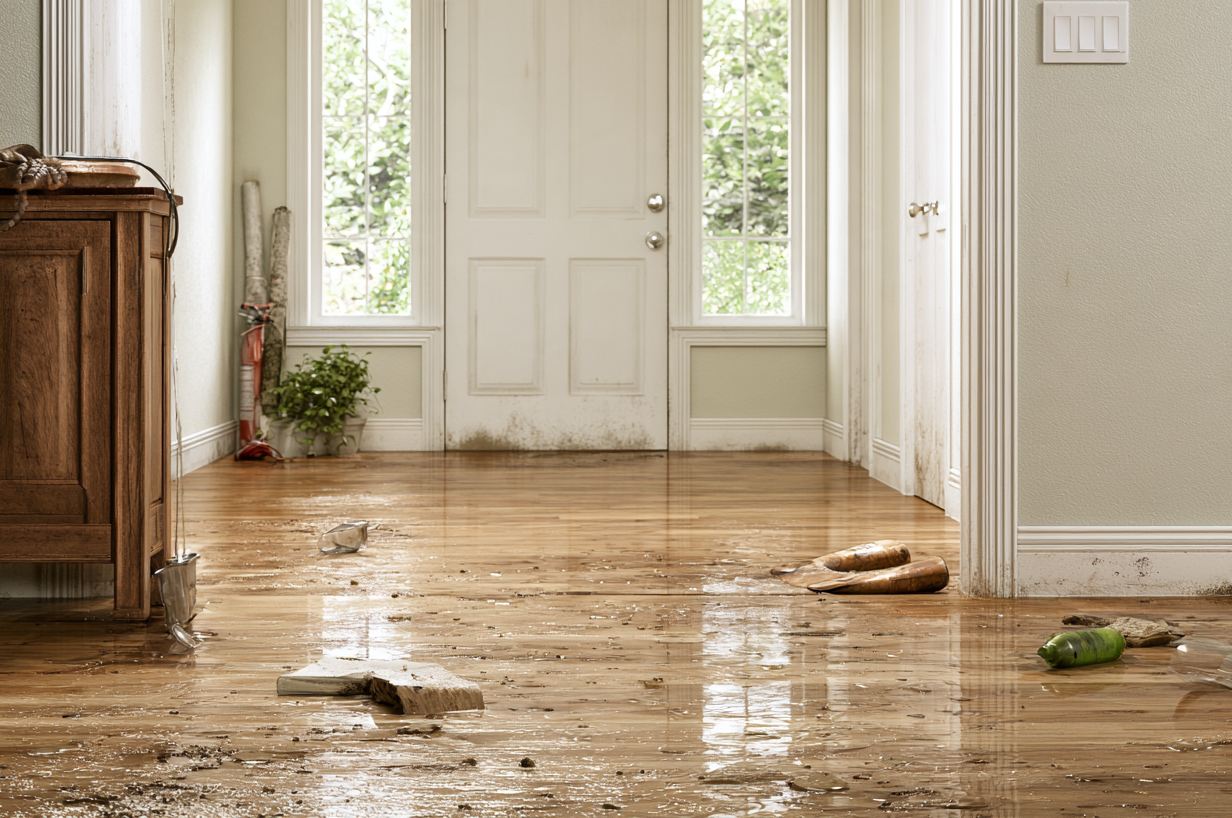
Corvallis isn't known for harsh winters. Most days stay above freezing, and snow is rare. That's exactly why burst pipes catch people off guard here. When a cold snap does arrive, many homes aren't ready for it.
Why Pipes Burst in a Mild Climate
In places with hard winters, homes are built with cold in mind: pipes run through heated space and are well insulated. In the Willamette Valley, it's common to find plumbing running through vented crawl spaces, exterior walls and unheated garages with little or no insulation.
Most of the year, that's fine. But when temperatures drop into the 20s for a night or two, especially with wind, water in exposed pipes can freeze. Water expands as it freezes, and pressure builds between the ice and a closed faucet until the pipe splits. Often the break doesn't leak until the ice thaws, so the flood starts hours later, sometimes after you've left for the day.
The risk isn't the same everywhere in the valley. Foothill towns like Sweet Home and Brownsville tend to see more freezing nights than Corvallis, and rural properties around Monroe often have long water lines to shops and outbuildings that are easy to forget about.
The Most Vulnerable Pipes
- Pipes in vented crawl spaces, especially near the vents
- Pipes in exterior walls, particularly on the north side
- Outdoor hose bibs and the pipes feeding them
- Pipes in unheated garages and utility rooms
- Kitchen and bathroom sink lines on exterior walls, inside closed cabinets
- Supply lines to outbuildings on rural properties
Prevention Before a Cold Snap
Do these in the fall, before the first freeze:
- Disconnect garden hoses and cover outdoor faucets with insulated covers.
- Insulate exposed pipes in the crawl space, garage and attic with foam pipe sleeves.
- Close or cover crawl-space vents during freezing weather (reopen them after).
- Seal gaps where pipes pass through exterior walls.
- Know where your main water shutoff is, and make sure it turns.
When a freeze is forecast:
- Let faucets on exterior walls drip slightly overnight.
- Open cabinet doors under sinks so warm air reaches the pipes.
- Keep the heat on, at least in the mid-50s, even if you're away.
- Keep the garage door closed if pipes run through it.
Pipe already burst?
Call (541) 230-7203 to get connected with a local water damage pro.
Call (541) 230-7203If a Pipe Bursts: Step by Step
- Shut off the main water valve immediately. Every minute matters. A broken pipe can release several gallons per minute.
- Turn off power to affected areas if water is near outlets or electrical equipment, but only if it's safe to reach the panel.
- Open faucets to drain the remaining water from the lines.
- Call a plumber to repair the pipe.
- Photograph everything for insurance before cleanup.
- Get the water out. For more than a small puddle, professional emergency water extraction removes water from carpet, floors and the crawl space much faster than a shop vac.
If you find a frozen pipe that hasn't burst yet, you can try thawing it slowly with a hair dryer or space heater (never an open flame), starting at the faucet end and working back. If you're not sure, call a plumber.
Water Damage Behind Walls
A burst pipe inside a wall or ceiling can do a lot of damage before you see it. Water runs down inside the wall cavity, soaks insulation and the bottom plate, and spreads under flooring. Signs include:
- Bulging or stained drywall
- Water dripping from light fixtures or ceiling seams
- Wet baseboards or carpet along a wall
- The sound of running water with everything turned off
Drying a wall cavity properly usually means opening it up. Insulation and drywall that stayed wet are typically removed so the framing can dry, then replaced. Professional water damage restoration includes moisture readings to confirm the cavity is dry before it's closed up again. Otherwise mold can grow inside the wall where you'll never see it.
If You're Away When It Happens
Some of the worst burst-pipe damage happens when nobody's home: over a holiday trip, during a winter break in an OSU-area rental, or in a vacation property. A pipe that freezes overnight may not leak until it thaws the next afternoon, and it can then run for hours or days.
If you'll be away during cold weather:
- Leave the heat on, set to at least the mid-50s.
- Shut off the main water valve and drain the lines if you'll be gone for more than a few days.
- Ask someone to check the house daily during a freeze.
- Consider a smart water leak sensor or an automatic shutoff valve, which can alert you or stop the water when a leak is detected.
Landlords with rentals near campus should remind tenants before winter break to leave the heat on and know where the shutoff is.
When to Call a Pro
- Water has spread beyond a small area
- The break was inside a wall, ceiling or under the floor
- Carpet, drywall or insulation got wet
- Water reached the crawl space
- You're not sure how far it went
Call (541) 230-7203 to get connected with an independent water damage contractor serving Corvallis and the Mid-Willamette Valley. Learn more about water damage in Corvallis.
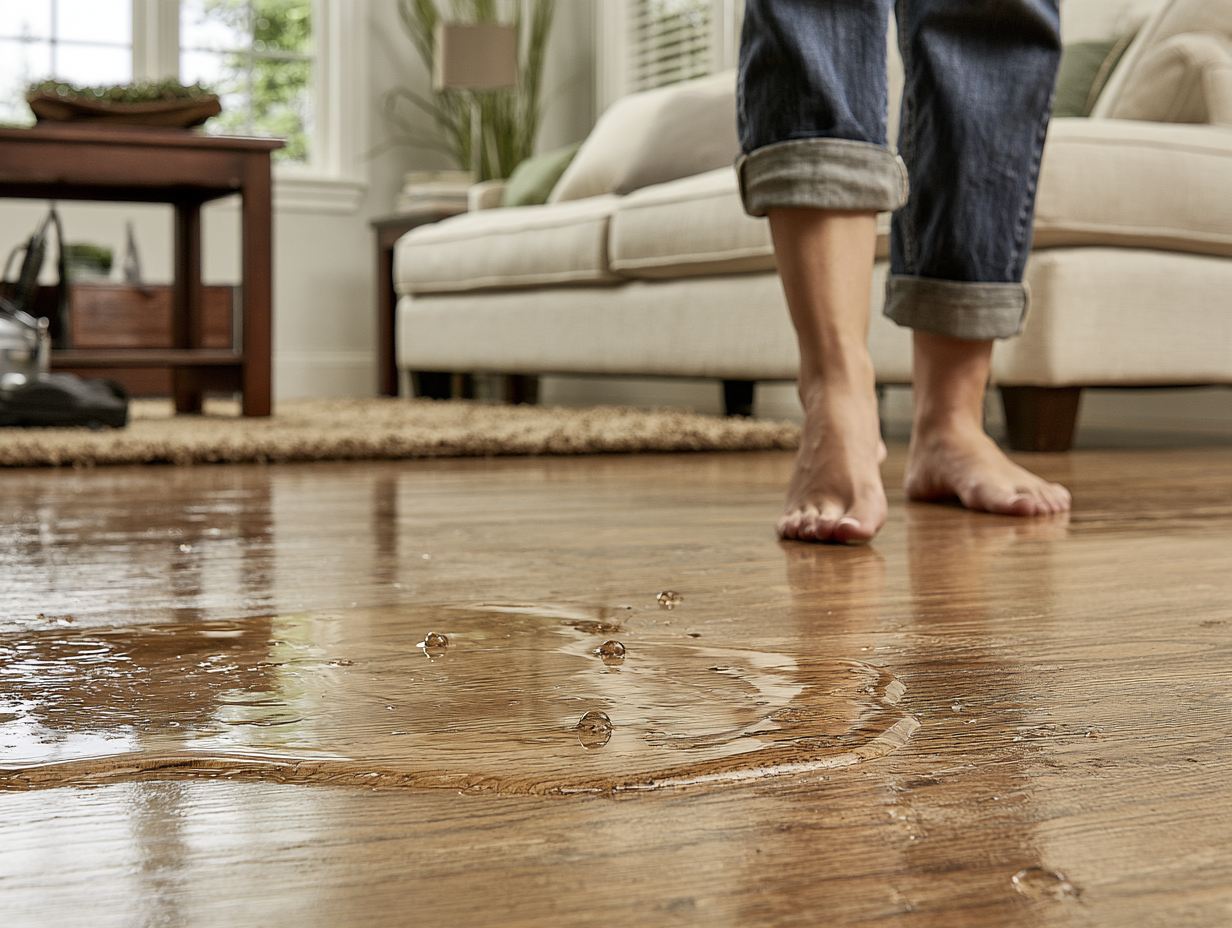
What to Do in the First 24 Hours After Water Damage
A step-by-step checklist to stop the water, stay safe, protect your insurance claim and prevent mold.
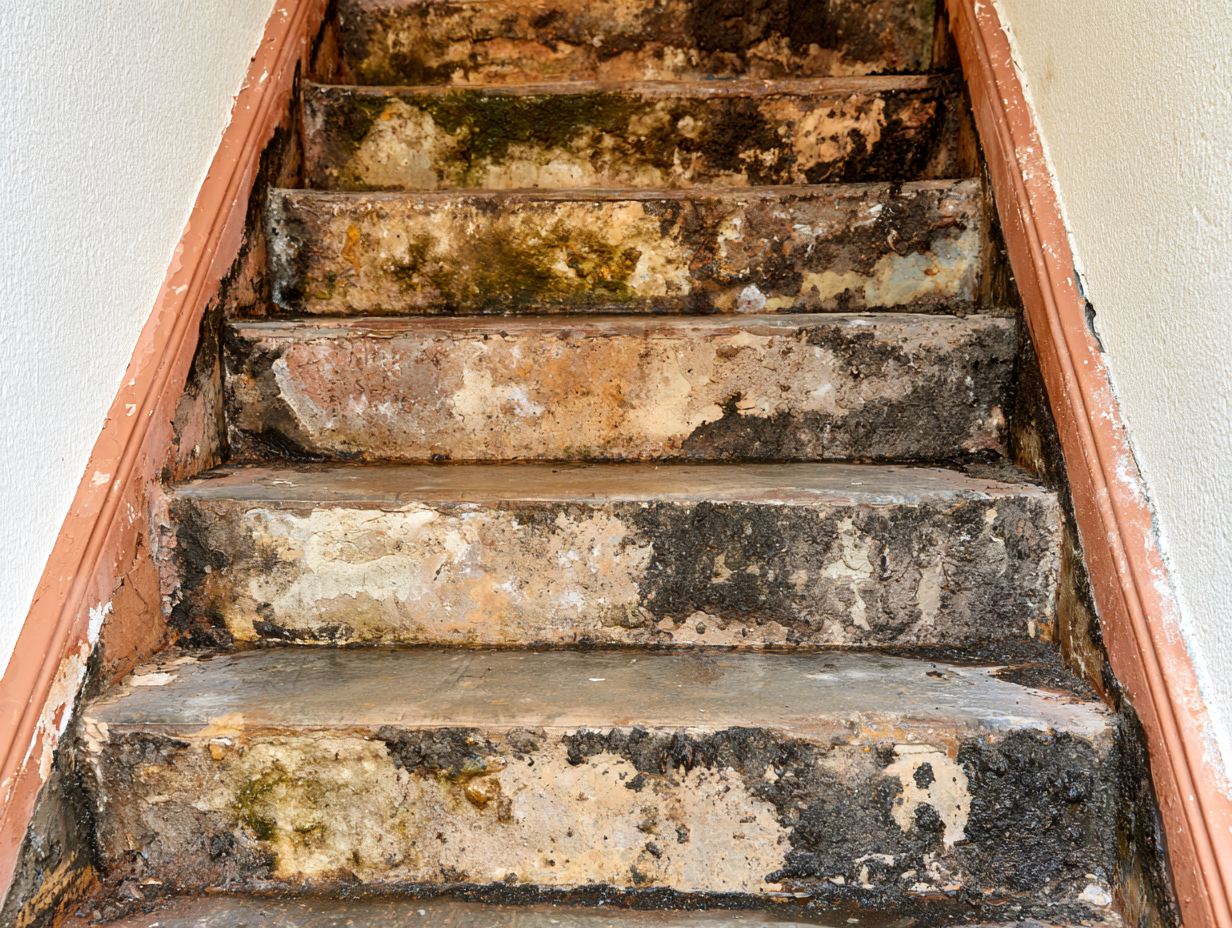
Crawl Space Flooding in Willamette Valley Homes
Why so many valley crawl spaces take on water, the warning signs from above, and how drying works.