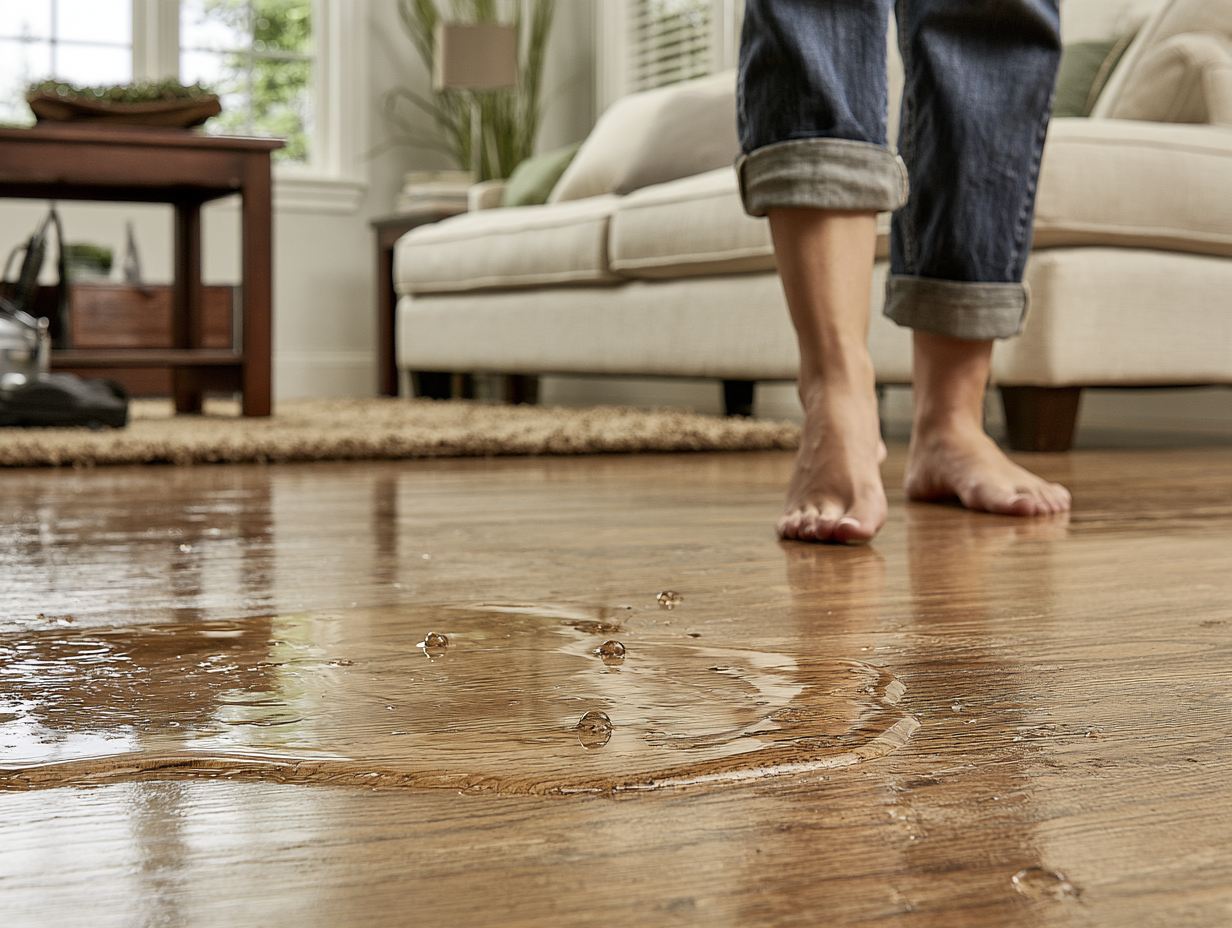
Finding water where it shouldn't be is stressful. Whether it's a burst pipe, an overflowing washing machine or a basement that took on water overnight, the decisions you make in the first 24 hours have a big effect on how much damage you end up with and how much it costs to fix. Here's what to do, in order.
1. Stop the Water Source
The first priority is stopping more water from coming in.
- Plumbing leak or burst pipe: shut off the main water valve. In most Corvallis homes it's in the crawl space, basement, garage or near the water heater, or at the street in a meter box. If you've never found it, now is the time.
- Appliance leak: turn off the supply valve behind the washing machine, dishwasher or under the sink.
- Water heater: turn off the cold-water inlet at the top, and shut off the gas or flip the breaker.
- Roof leak or rain: put buckets under drips and, if it's safe, tarp the area. Don't climb on a wet roof.
If water is coming in from outside flooding or groundwater, you may not be able to stop it. Focus on safety and getting help.
2. Make It Safe
Water and electricity are a dangerous combination.
- If water is near outlets, cords, appliances or the electrical panel, turn off power to that area at the breaker, but only if you can reach the panel without standing in water. If you can't, leave it and call the utility or an electrician.
- If you smell gas, leave the house and call the gas company from outside.
- If the water came from a toilet or sewer line, treat it as contaminated. Wear gloves and boots, keep kids and pets away, and avoid touching it.
- Watch for sagging ceilings. A bulging ceiling can hold a lot of water and may come down.
3. Document Everything
Before you move things or start cleaning, take photos and video:
- The water itself and how deep it is
- The source, if you can see it (the broken pipe, failed hose, leaking heater)
- Every affected room, wall and floor
- Damaged furniture, electronics and belongings
Your insurance company will want this. Keep any receipts for emergency supplies, too.
Water still standing?
Call (541) 230-7203 to get connected with a local water damage pro.
Call (541) 230-72034. Call Your Insurance Company
Many homeowners policies cover sudden, accidental water damage, but most require you to report it promptly and take reasonable steps to prevent further damage. Call early, get a claim number and ask what they need from you. Not sure what's covered? Read does homeowners insurance cover water damage in Oregon.
5. Start Removing Water — Safely
For a small amount of clean water, you can start yourself:
- Mop and blot up water on hard floors.
- Use a wet/dry shop vac for small areas. Never use a regular household vacuum.
- Lift furniture off wet carpet and put foil or wood blocks under the legs.
- Move rugs, electronics, photos and documents to a dry room.
For anything bigger (water across multiple rooms, soaked carpet pad, a flooded basement or crawl space), professional emergency water extraction is the right call. Extraction equipment removes far more water than a shop vac, and liquid water is much easier to remove than moisture that's already soaked in.
6. Get Air Moving — Carefully
Air circulation helps, but the details matter in the Willamette Valley:
- Run fans in the affected area.
- Don't open windows on a rainy or damp day. Corvallis winter air is often already wet, and bringing it inside can slow drying.
- Run a dehumidifier if you have one, and empty it often.
- Keep the heat on at a normal temperature. Warm air holds more moisture, which helps drying.
What Not to Do
- Don't use electrical appliances while standing on wet floors.
- Don't wait to see if it dries on its own. Water hides under flooring, inside walls and in insulation.
- Don't peel up carpet yourself unless you're sure; a contractor may be able to save it.
- Don't ignore the crawl space. Water from a leak upstairs often ends up there.
- Don't touch contaminated water from toilets, sewers or outside flooding.
Why 24–48 Hours Is the Mold Line
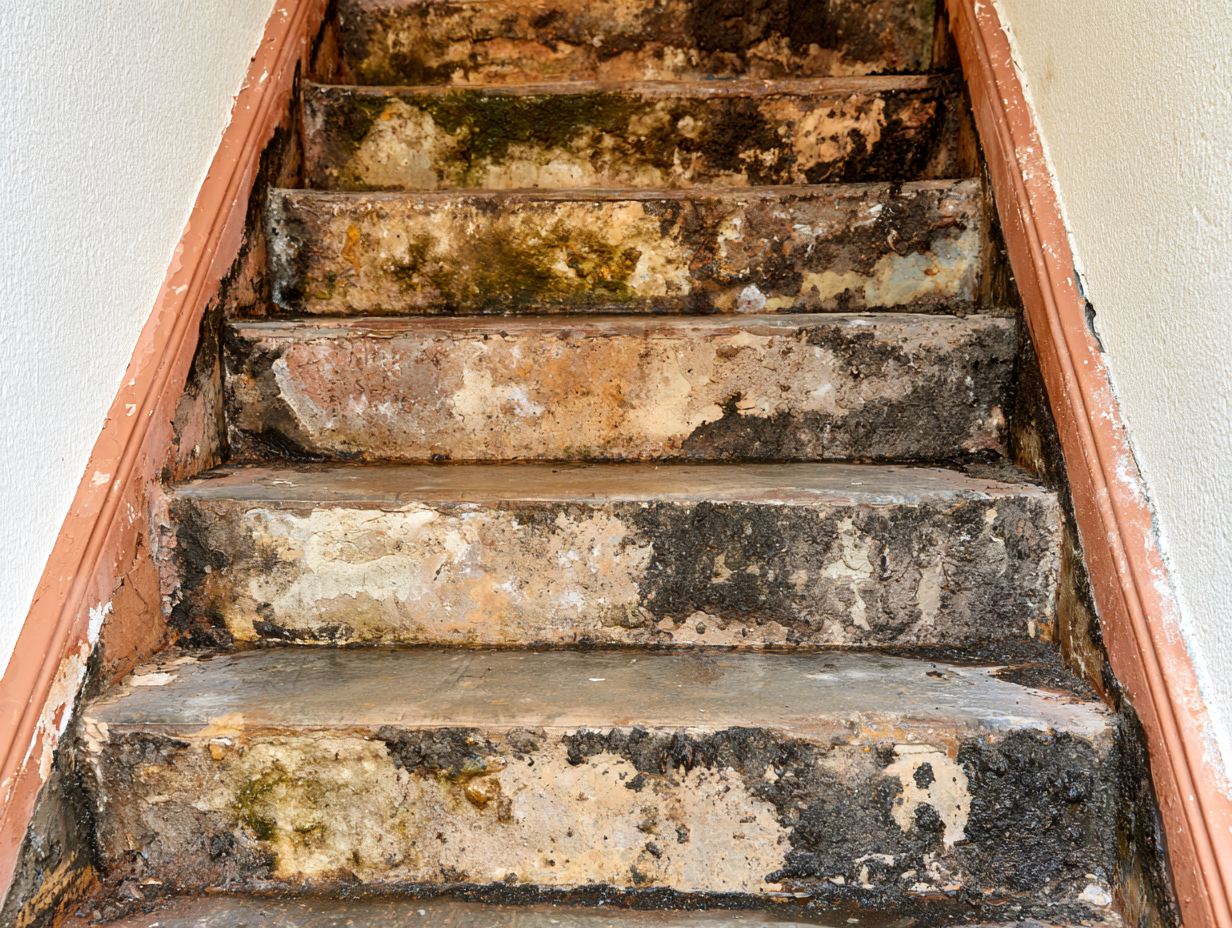
Mold can begin to grow on wet materials within 24 to 48 hours. Drywall, wood, carpet pad and insulation all give it something to feed on, and the Willamette Valley's damp air gives it plenty of moisture. Getting materials dry within that window is the single best way to prevent a mold problem later.
That's also why surfaces feeling dry isn't enough. The inside of a wall or the subfloor under laminate can stay wet for days after the surface looks fine. Professional restoration contractors use moisture meters to confirm things are actually dry.
When to Call a Pro
Call for professional help if:
- Water has reached more than one room
- Carpet pad, drywall, subfloor or insulation is wet
- The water came from a toilet, sewer or outside
- A basement or crawl space has standing water
- You can't find or stop the source
- It's been more than a day and things are still damp
When you call (541) 230-7203, you'll be connected with an independent local contractor who handles water damage restoration across Corvallis, Albany, North Albany, Philomath and the rest of the Mid-Willamette Valley. Learn more about water damage in Corvallis.
Crawl Space Flooding in Willamette Valley Homes
Why so many valley crawl spaces take on water, the warning signs from above, and how drying works.
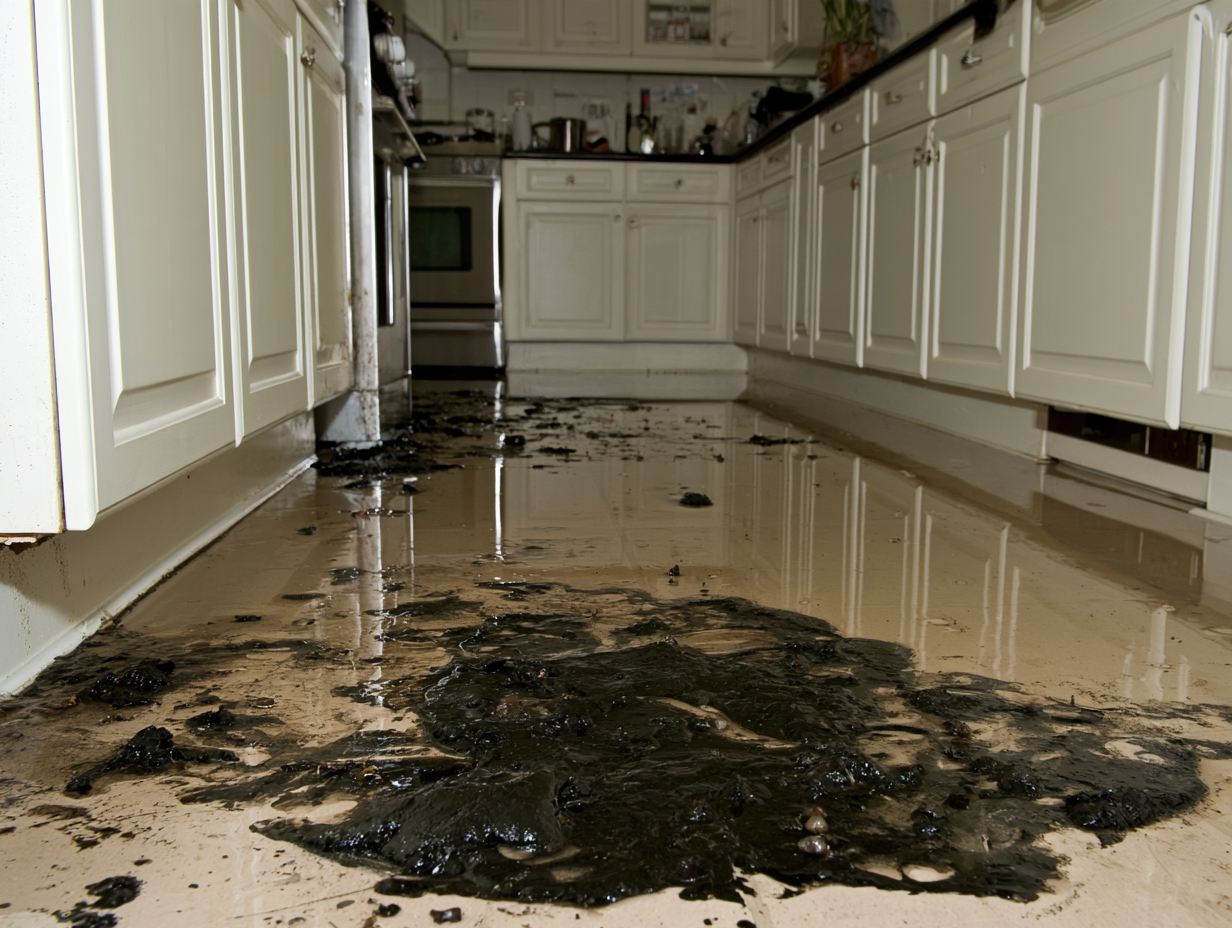
Category 1, 2 and 3 Water Damage Explained
Clean, gray and black water: what each means for your safety and your cleanup.