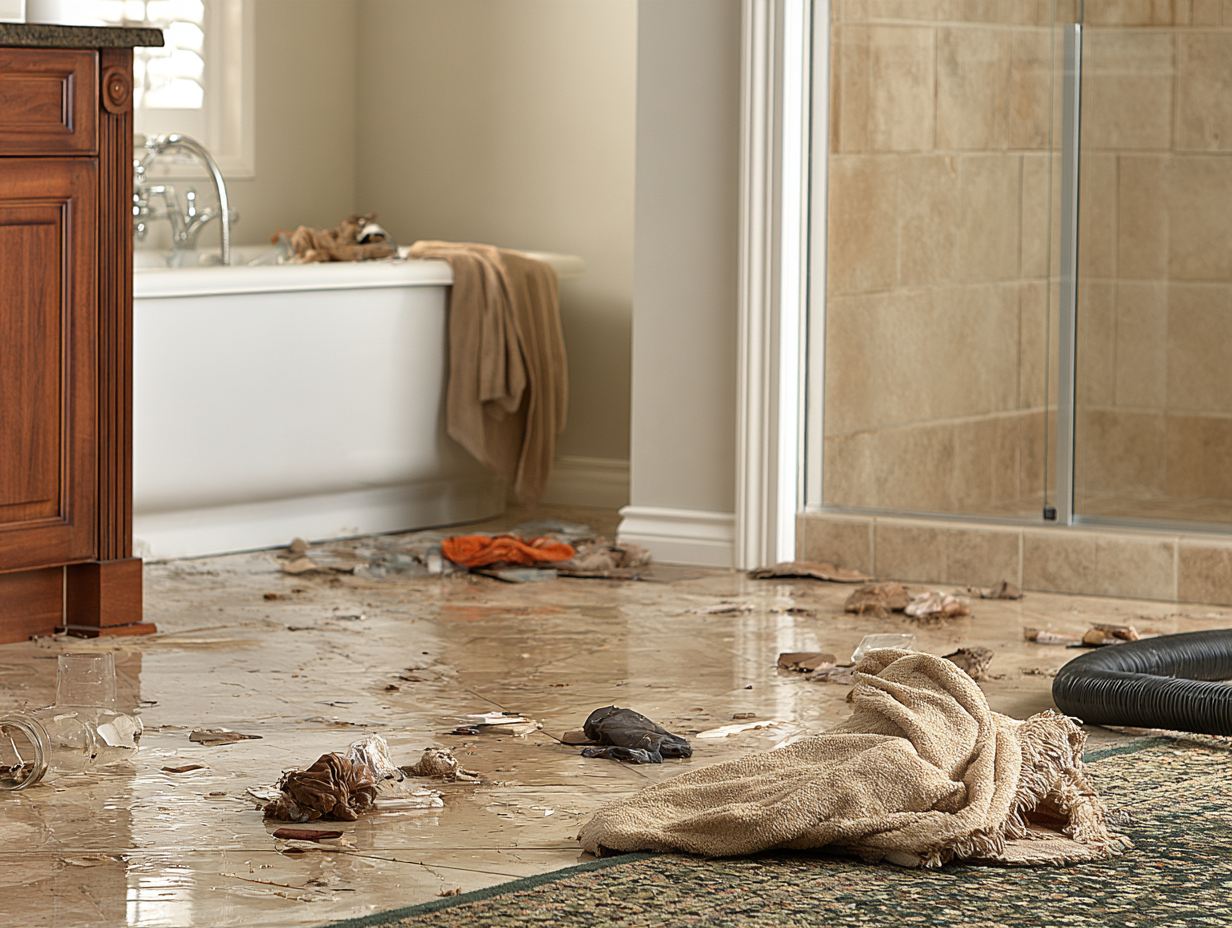
Standing Water in Your Home? Here's What Happens Next
Emergency water extraction is the first step in any water damage job: getting the standing water out of your home before it soaks deeper into floors, walls and the structure underneath. If you're looking at water on the floor right now, this is the service you need.
Professional water extraction services use equipment a homeowner doesn't have: truck-mounted extractors that pull hundreds of gallons an hour, submersible pumps for deep water, and weighted extraction tools that squeeze water out of carpet and pad. The goal is to remove as much liquid water as possible, because liquid water is far easier to remove than the moisture left behind once it's absorbed.
Call (541) 230-7203 to get connected with an independent water extraction contractor who serves Corvallis and the surrounding area.
When You Need Emergency Water Extraction
Call for professional extraction when:
- Water is standing on any floor surface, more than a small spill you can mop up.
- Carpet or pad is saturated. If it squishes when you step on it, the pad and subfloor are wet too.
- A basement or crawl space has flooded, whether from rain, groundwater or a plumbing failure.
- A pipe, water heater or appliance has burst and released water into multiple rooms.
- Water came from a toilet, sewer line or outside flooding. This water is contaminated and shouldn't be handled without protection.
- Water has reached drywall, baseboards or cabinets and is wicking upward.
If you're not sure whether your situation needs a pro, call and describe it. That's what the line is for.
Water on the floor right now?
Call (541) 230-7203 to get connected with a local extraction contractor.
Call (541) 230-7203How Water Extraction Works
Every job is different, but residential water extraction generally follows the same sequence:
- Inspection and safety check. The contractor finds the water source (and confirms it's stopped), checks for electrical hazards and identifies the category of water: clean, gray or contaminated.
- Moisture mapping. Using moisture meters and often thermal imaging, they map how far the water has spread, including under flooring and behind walls where you can't see it.
- Water removal. Truck-mounted or portable extractors remove standing water. Submersible pumps handle deep water in basements and crawl spaces. Carpet is extracted with weighted tools that press water out of the pad.
- Removing what can't be saved. Saturated pad, swollen particleboard and contaminated materials are usually removed so the structure underneath can dry.
- Setting up drying equipment. Air movers and dehumidifiers go in to dry the remaining moisture. That's the start of water damage restoration.
Why the First 24 Hours Matter for Water Removal
When people search for 24 hour water removal, what they're really reacting to is the clock. Water damage gets worse on a predictable timeline:
- First few hours: Water spreads across floors, wicks into drywall and baseboards, and soaks into carpet pad. Furniture legs and wood finishes start to stain.
- Within 24 hours: Drywall swells and softens. Wood floors begin to cup. A musty smell appears.
- 24 to 48 hours: Mold can begin to grow on wet materials. Metal surfaces start to corrode.
- After 48 hours: Mold growth becomes likely, wood can warp permanently, and repair costs climb quickly.
That's why extraction comes first and comes fast. The more water removed in the first hours, the shorter the drying time and the more of your home that can be saved instead of replaced.
Flooded House Water Removal: Why DIY Falls Short
What you can safely do yourself
- Mop up small, clean-water spills on hard floors.
- Use towels to blot a small wet area of carpet.
- Run fans and open windows on a dry day for a minor leak.
- Move furniture and valuables out of wet areas.
When to call a pro
- Water covers more than a small area or has reached more than one room.
- Carpet pad, subfloor or drywall is wet.
- The water came from a toilet, sewer or outside flooding.
- A basement or crawl space has standing water.
- You can't find or stop the source.
A shop vac can help with a small spill, but it can't keep up with a flooded house. It also can't pull water out of carpet pad or reach the moisture in subfloors and wall cavities. Water that's left behind is what causes warped floors and mold weeks later.

Residential Water Extraction for Basements, Crawl Spaces and Living Areas
Basements. Finished basements hold water in carpet, pad and the bottom of drywall. Unfinished basements still need fast pumping and drying to protect the foundation and anything stored there.
Crawl spaces. Standing water removal in a crawl space is one of the most common calls in the Willamette Valley. Water pools on the vapor barrier or soil, raises humidity under the house and feeds mold on joists and subfloor. It often needs pumping, then dehumidification.
Living areas and kitchens. Supply-line, dishwasher and water heater failures usually affect finished rooms. Speed matters most here, because hardwood, laminate and cabinets absorb water quickly.
Preventing the Next Flood
- Know where your main shutoff is and make sure it turns.
- Replace rubber washing machine hoses with braided steel lines every few years.
- Insulate exposed pipes in crawl spaces, garages and exterior walls before the first freeze.
- Keep gutters and downspouts clear and make sure water drains away from the foundation.
- Test your sump pump before the wet season, if you have one.
Not sure how much water is under the floor?
Call (541) 230-7203 and describe what you're seeing.
Call (541) 230-7203Emergency Water Extraction Across Benton & Linn Counties
Independent extraction contractors in this network serve Corvallis and nearby communities across the Mid-Willamette Valley.
Benton County
Linn County
Nearby
Emergency Water Extraction FAQ
How fast does standing water need to be removed?
As quickly as possible. Liquid water should come out within hours, and the area should be fully dried within 24 to 48 hours to limit mold and permanent damage.
Can I use a shop vac for water extraction?
For a small spill of clean water, yes. For anything larger, or for wet carpet pad, subfloors or walls, a shop vac can't remove enough water. Professional extraction equipment is far more powerful.
Is water extraction covered by homeowners insurance?
Often, if the water came from a sudden, accidental event like a burst pipe or failed appliance. Flooding from outside water usually requires separate flood insurance. Check your policy and contact your insurer early.
How long does water extraction take?
The extraction itself often takes a few hours for a typical home, depending on how much water there is and how far it spread. Drying afterward usually takes several days.
Is it safe to stay in the house?
Often, yes, if the water is clean and the electrical system is safe. If the water came from a sewer backup, or if power is affected, it's safer to stay elsewhere until the contractor clears the area.
Related Service
Water Damage Restoration: drying, cleanup and repair after the water is removed.
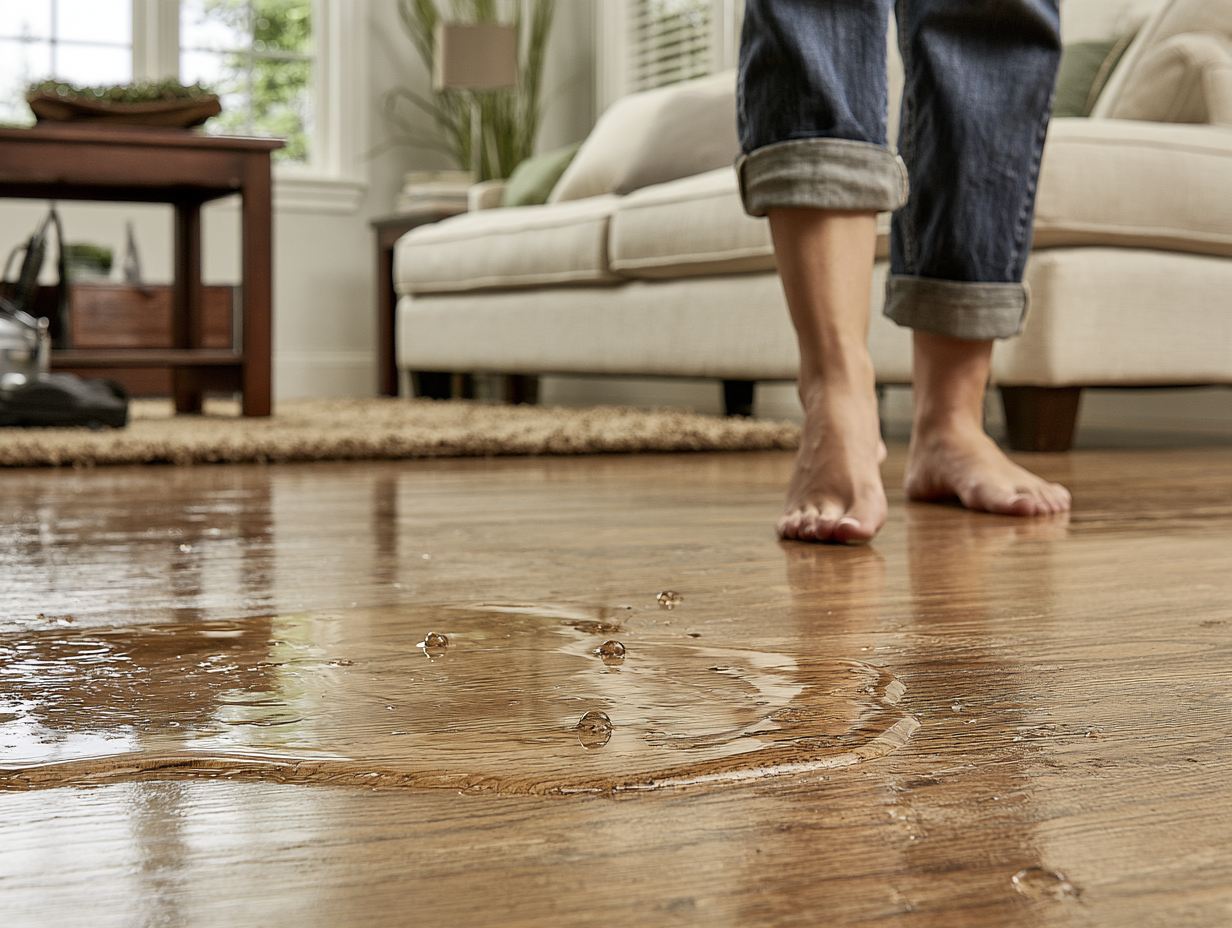
What to Do in the First 24 Hours After Water Damage
A step-by-step checklist to stop the water, stay safe, protect your insurance claim and prevent mold.
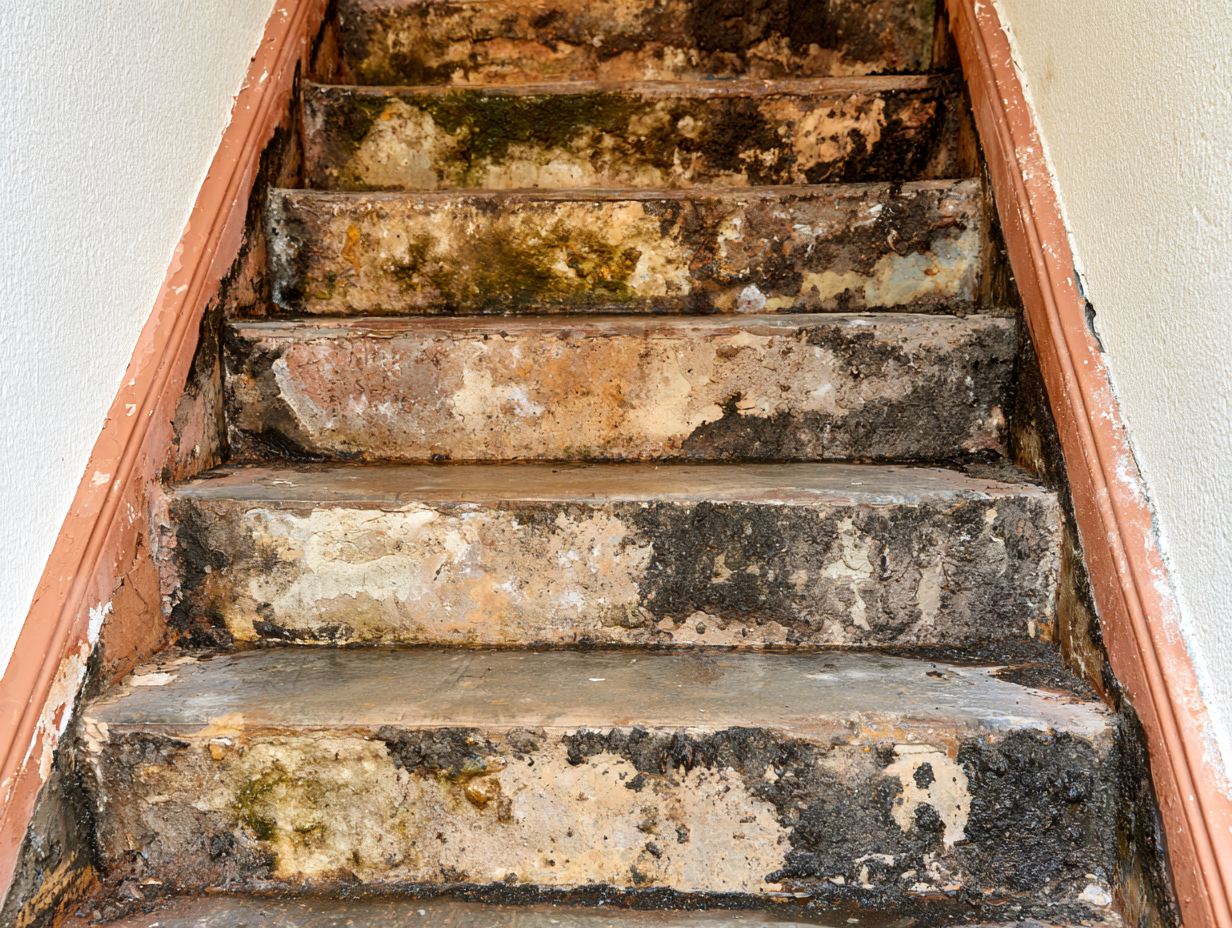
Crawl Space Flooding in Willamette Valley Homes
Why so many valley crawl spaces take on water, the warning signs from above, and how drying works.