Crawl Space Flooding in Willamette Valley Homes
Why so many valley crawl spaces take on water, the warning signs from above, and how drying works.
WATER DAMAGE IN BENTON COUNTY, OR
Corvallis, Philomath, North Albany, Adair Village and Monroe. One call to a local pro.
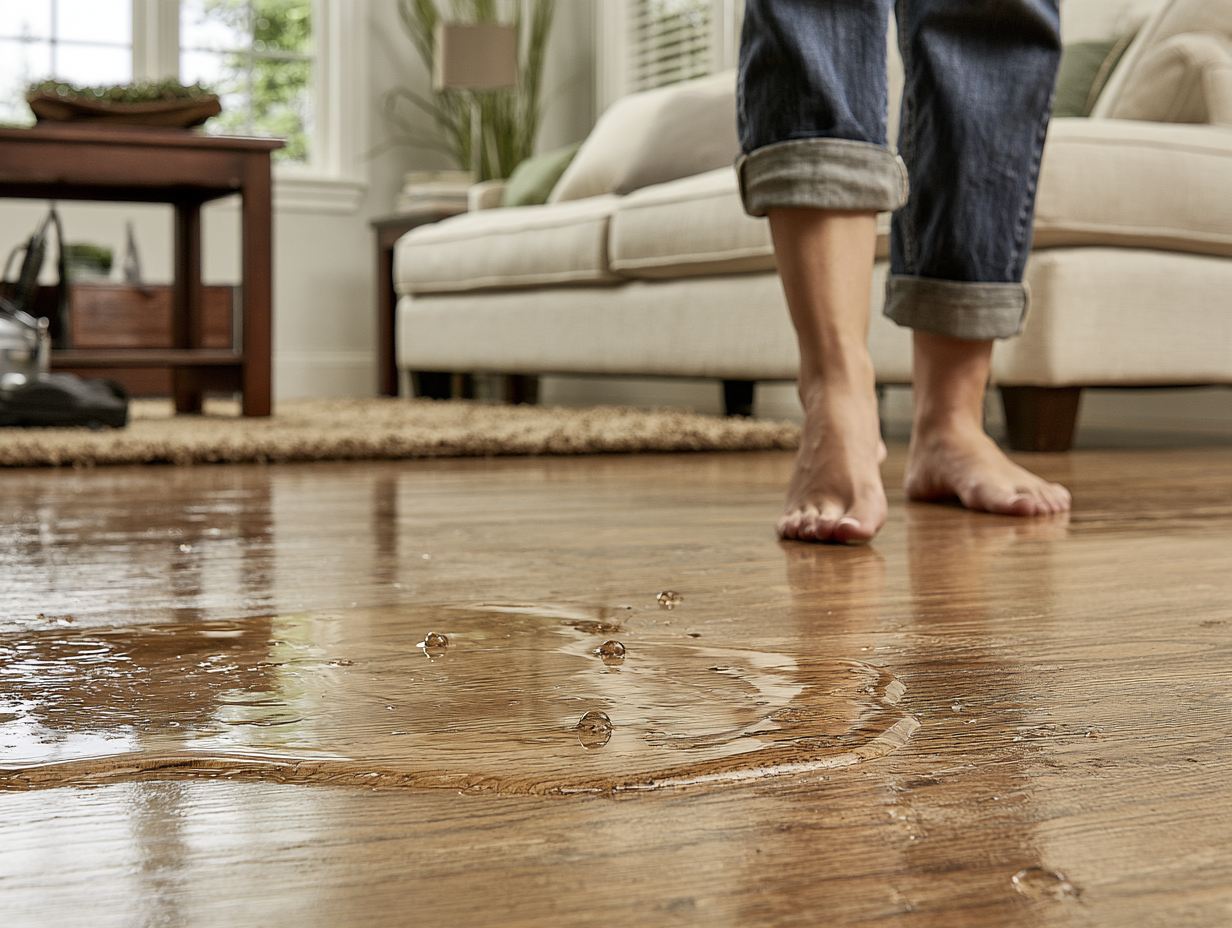
Benton County stretches from the Coast Range foothills west of Philomath to the Willamette River on its eastern edge, with Corvallis at its center. The Marys River runs down from the hills through Philomath and into Corvallis, and the Long Tom River drains the south end of the county near Monroe. In the wet season, rain falls harder in the foothills than on the valley floor, and runoff, saturated soil and rising creeks can all find their way into homes.
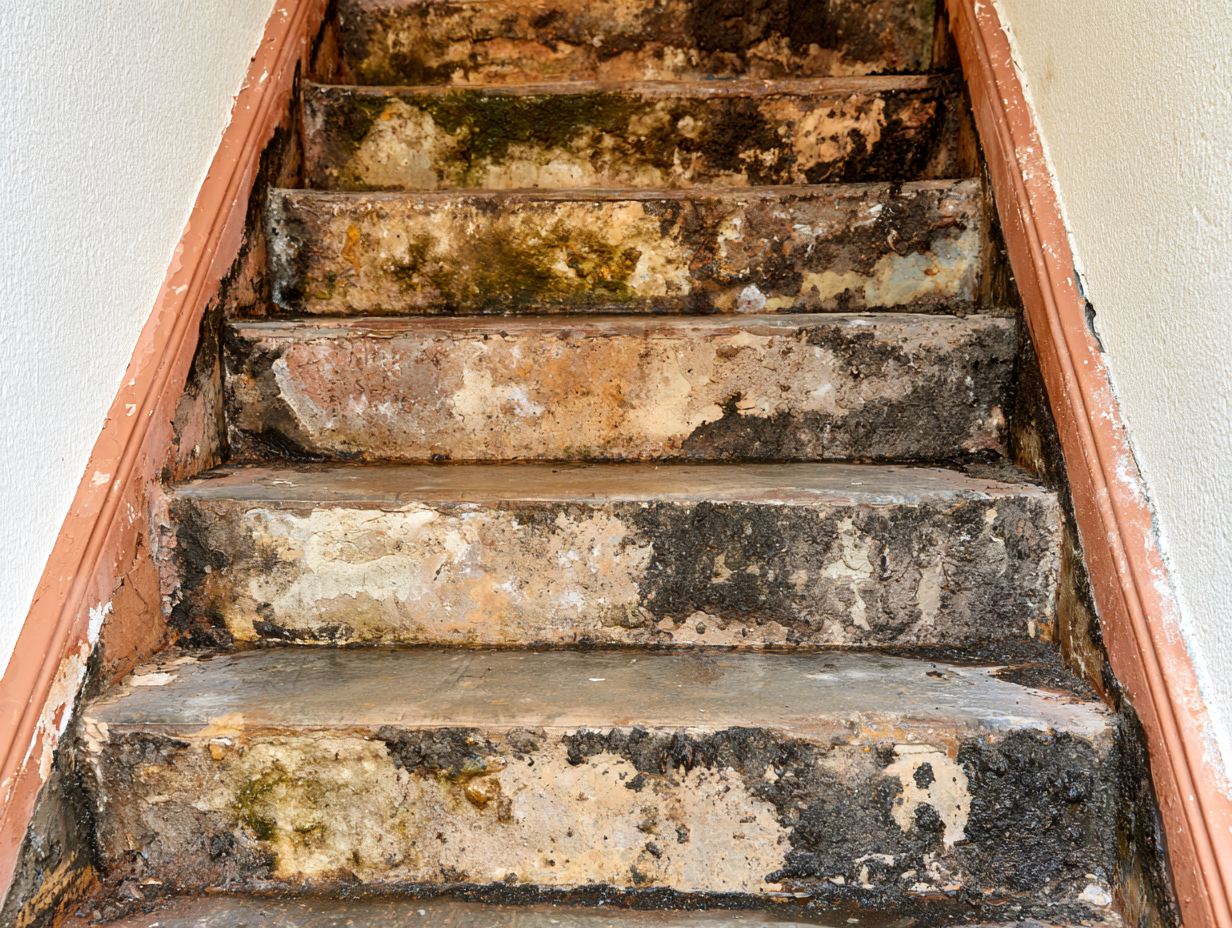
Much of the county's housing sits over crawl spaces, from older homes near downtown Corvallis to hillside subdivisions in North Albany and rural properties around Monroe. That's where water damage often starts quietly, and where it's easy to miss.
Fast removal of standing water from floors, basements and crawl spaces. Call (541) 230-7203.
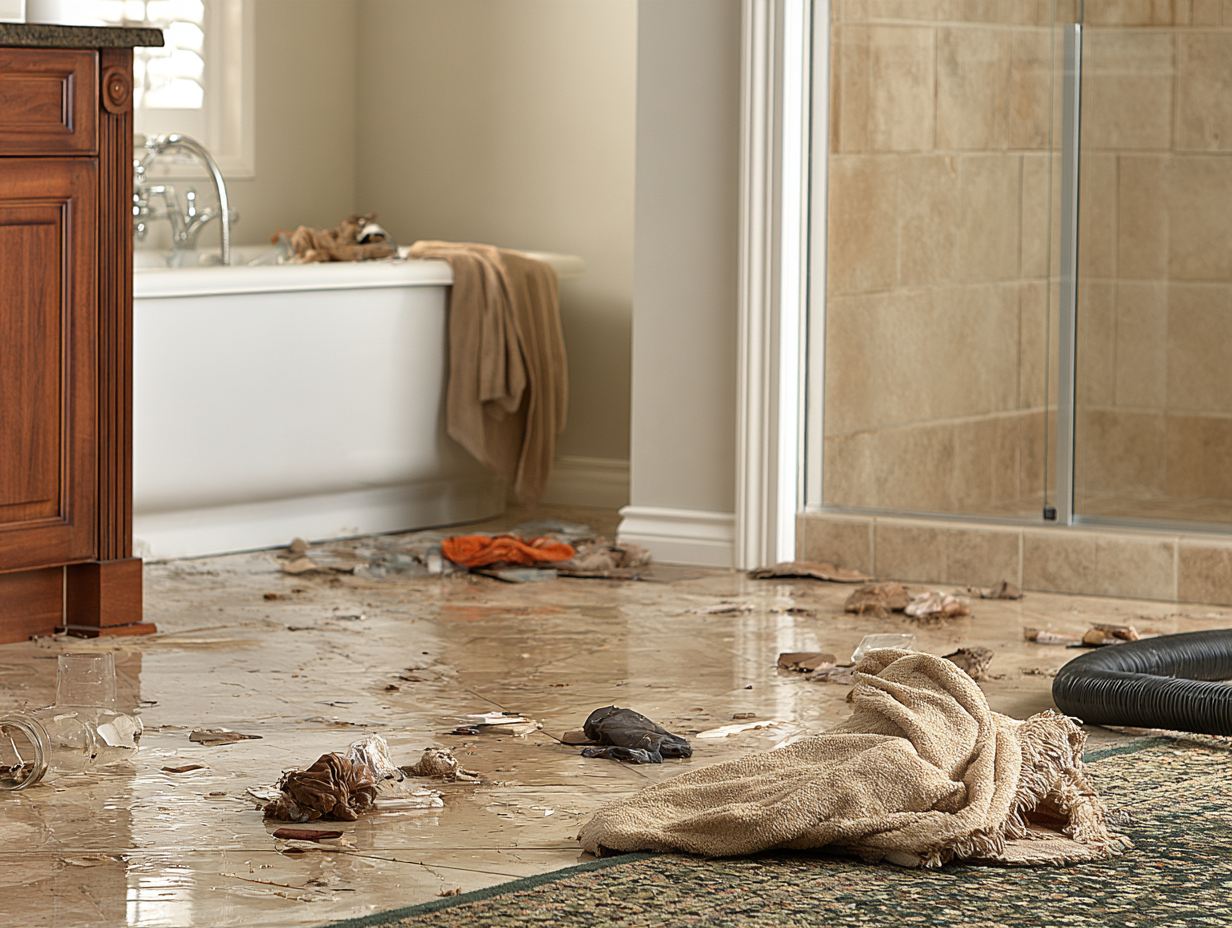
Drying, cleanup and repair after a leak, burst pipe or flood. Call (541) 230-7203.
The causes change with the season. From November through March, the calls are mostly about rain and groundwater: crawl spaces with standing water, basements seeping after a long storm, and roof leaks in older homes. A cold snap or two each winter brings burst pipes, often in crawl spaces and exterior walls that were never insulated for freezing weather.
The rest of the year, it's mostly plumbing and appliances: a washing machine hose that splits, a water heater that finally gives out, a dishwasher line that leaks under the cabinets. In Corvallis, rental homes near Oregon State University see their share too, where a leak may go unnoticed between tenants or over a break.
Whatever the cause, the steps are the same: stop the water, get it out fast, and dry the structure thoroughly.
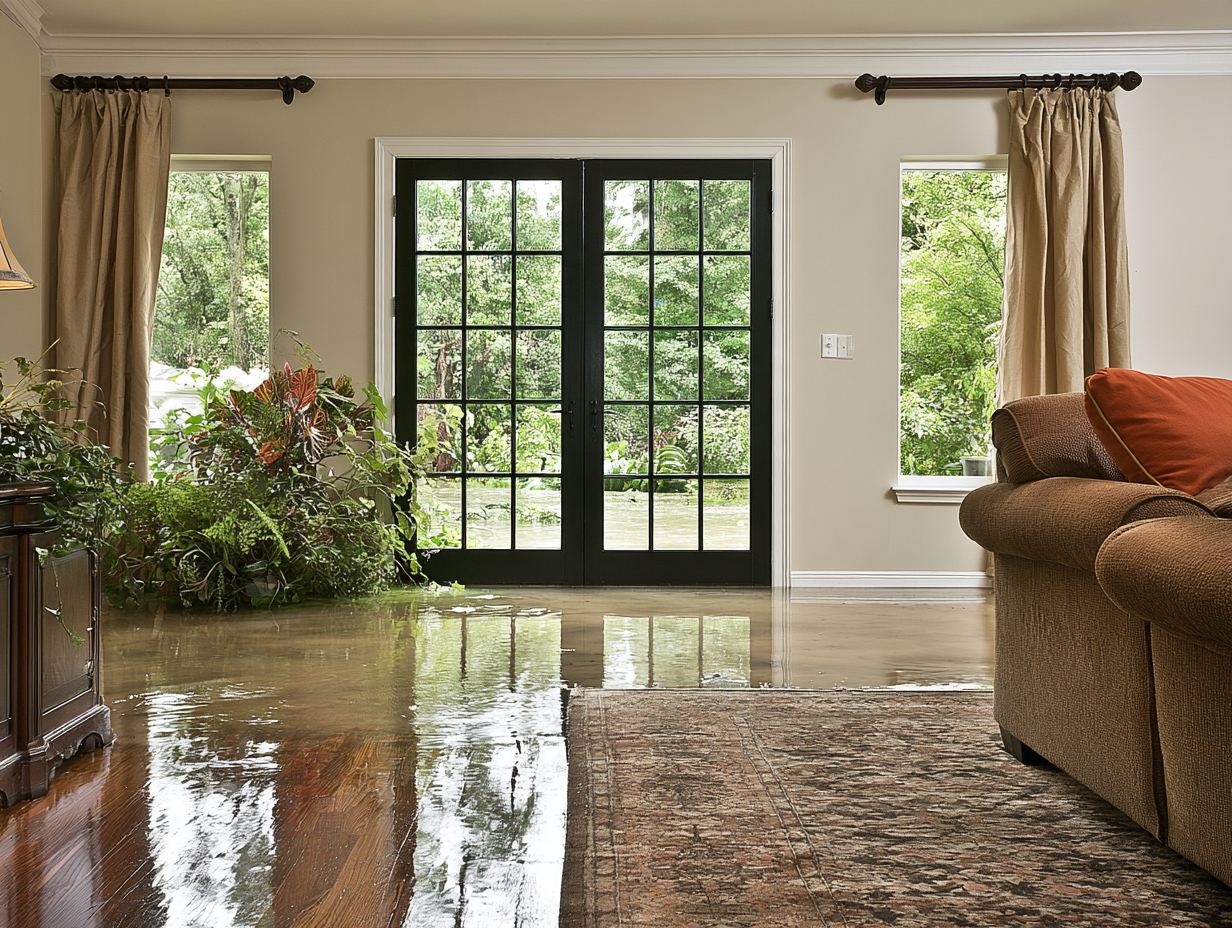
A contractor who works in Benton County knows what wet-season water damage looks like here: crawl spaces that stay damp for months, older plumbing in established neighborhoods, and drying times that run longer when the outside air is cool and wet. Local experience means knowing where to look for hidden moisture and how long a house really needs to dry.
Why so many valley crawl spaces take on water, the warning signs from above, and how drying works.
A step-by-step checklist to stop the water, stay safe, protect your insurance claim and prevent mold.
A checklist for licensing, certification, insurance and the questions to ask.