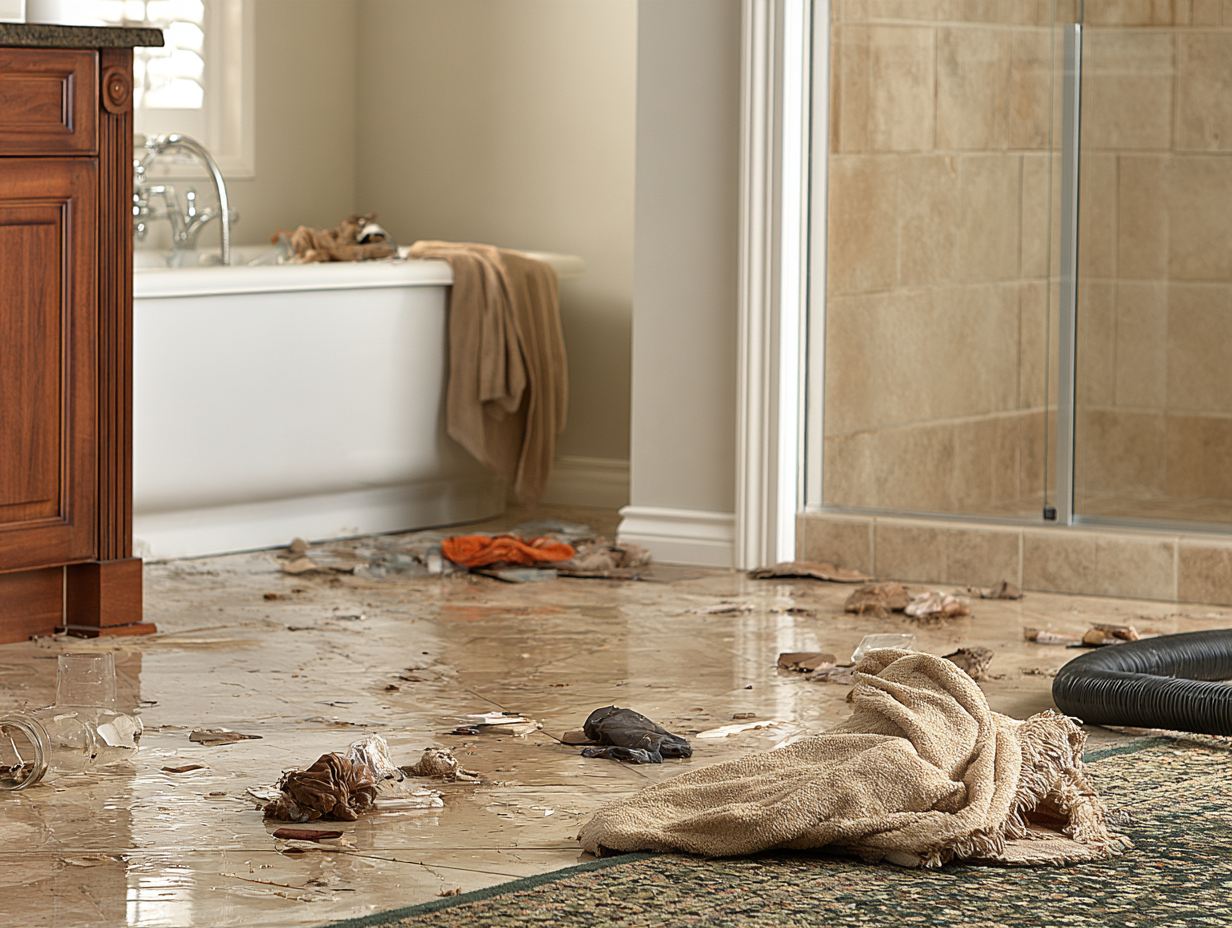
When your home has water damage, you need help quickly, but the contractor you choose will be in your house for days and may be handling a large insurance claim. A few minutes of checking up front can save a lot of trouble later. Here's a practical checklist for Corvallis-area homeowners.
1. Check the Oregon CCB License
In Oregon, contractors who do construction and repair work on homes, including much of what happens in water damage restoration, must be licensed with the Oregon Construction Contractors Board (CCB). A CCB license means the contractor carries a bond and liability insurance, and it gives you a path for resolving disputes.
How to check: search the contractor's name or license number on the CCB's online license search. Look for:
- An active license (not expired or suspended)
- The business name matching the company you're dealing with
- Any complaint history
Oregon law generally requires contractors to show their CCB number in advertising and on contracts. If a company can't give you one, that's a red flag.
2. Look for IICRC Certification
The Institute of Inspection, Cleaning and Restoration Certification (IICRC) sets the standards most of the restoration industry follows, including the S500 standard for water damage. Certification isn't legally required, but it shows the company's technicians have been trained in proper drying and cleanup.
Ask: "Are your technicians IICRC-certified in water damage restoration?" You can also verify certification through the IICRC's website.
3. Confirm Insurance and Paperwork
Beyond the CCB requirements, ask about:
- General liability insurance. Protects your property if something goes wrong.
- Workers' compensation. Protects you if a worker is injured in your home.
- A written contract or work authorization that explains what will be done, how pricing works and what happens if more damage is found.
- Documentation for your insurer: photos, moisture readings and drying logs. Good contractors keep these as standard practice.
Need a contractor now?
Call (541) 230-7203 to get connected with an independent local water damage contractor.
Call (541) 230-72034. Questions to Ask on the First Call
- What's your CCB license number?
- Are your technicians IICRC-certified?
- How do you measure when the structure is dry?
- Will you work with my insurance company and document the job for them?
- How does pricing work, and when will I see it in writing?
- Do you do the repairs and rebuild, or only drying?
- What happens if you find mold or more damage than expected?
- Who do I contact with questions during the job?
A good contractor will answer these clearly and without pressure.
5. Red Flags
- No CCB license number or reluctance to share it
- Pressure to sign immediately without reading the paperwork
- Asking you to sign over insurance benefits (an "assignment of benefits") without explaining what it means
- Large upfront cash payments before any work starts
- No moisture meters or no plan for measuring dryness
- Vague answers about pricing or scope
- Out-of-area storm chasers who appear after a big weather event with no local presence
6. Understand How the Job Will Be Documented
A well-run water damage job leaves a paper trail, and that trail protects you. Before work begins, ask what you'll receive. Good contractors typically provide:
- Photos of the damage before, during and after the work
- A moisture map showing where water was found, including inside walls and under floors
- Daily drying logs with moisture readings for each affected material
- An equipment list showing what was placed, where and for how long
- A written scope of what was removed and why
This matters for two reasons. First, your insurance adjuster will often want to see it before approving the claim. Second, it's your proof that the structure was actually dried, not just made to look dry. If you sell the home later, records showing a water loss was properly handled can also help.
7. Ask About Drying Before Demolition
Some contractors default to tearing out drywall, flooring and cabinets. Sometimes that's necessary, especially with contaminated water or materials that have been wet for days. But in many clean-water losses caught early, materials can be dried in place, which is faster and less disruptive.
Ask: "What can you dry in place, and what needs to come out? Why?" A good contractor will explain the reasoning based on the water category, the material and the moisture readings, not just default to demolition.
8. Local Experience Counts
Water damage in the Mid-Willamette Valley has its own patterns: crawl spaces that stay damp through winter, older homes with aging plumbing, and drying that takes longer in cool, wet weather. A contractor who works in Corvallis, Albany, Lebanon and the surrounding towns knows where to look for hidden moisture and how long a house here really needs to dry.
How This Service Fits In
Water Damage Corvallis is a referral service. When you call (541) 230-7203, you're connected with an independent, local water damage contractor who serves your area. We don't perform the work or guarantee it, and it's your responsibility to verify any contractor's license and insurance before hiring. That's exactly what this checklist is for.
Use it with any contractor you talk to. When you're ready, learn more about emergency water extraction, water damage restoration or water damage in Corvallis.

Does Homeowners Insurance Cover Water Damage in Oregon?
Sudden vs. gradual damage, common exclusions, flood insurance in the valley and how to file a strong claim.
What to Do in the First 24 Hours After Water Damage
A step-by-step checklist to stop the water, stay safe, protect your insurance claim and prevent mold.