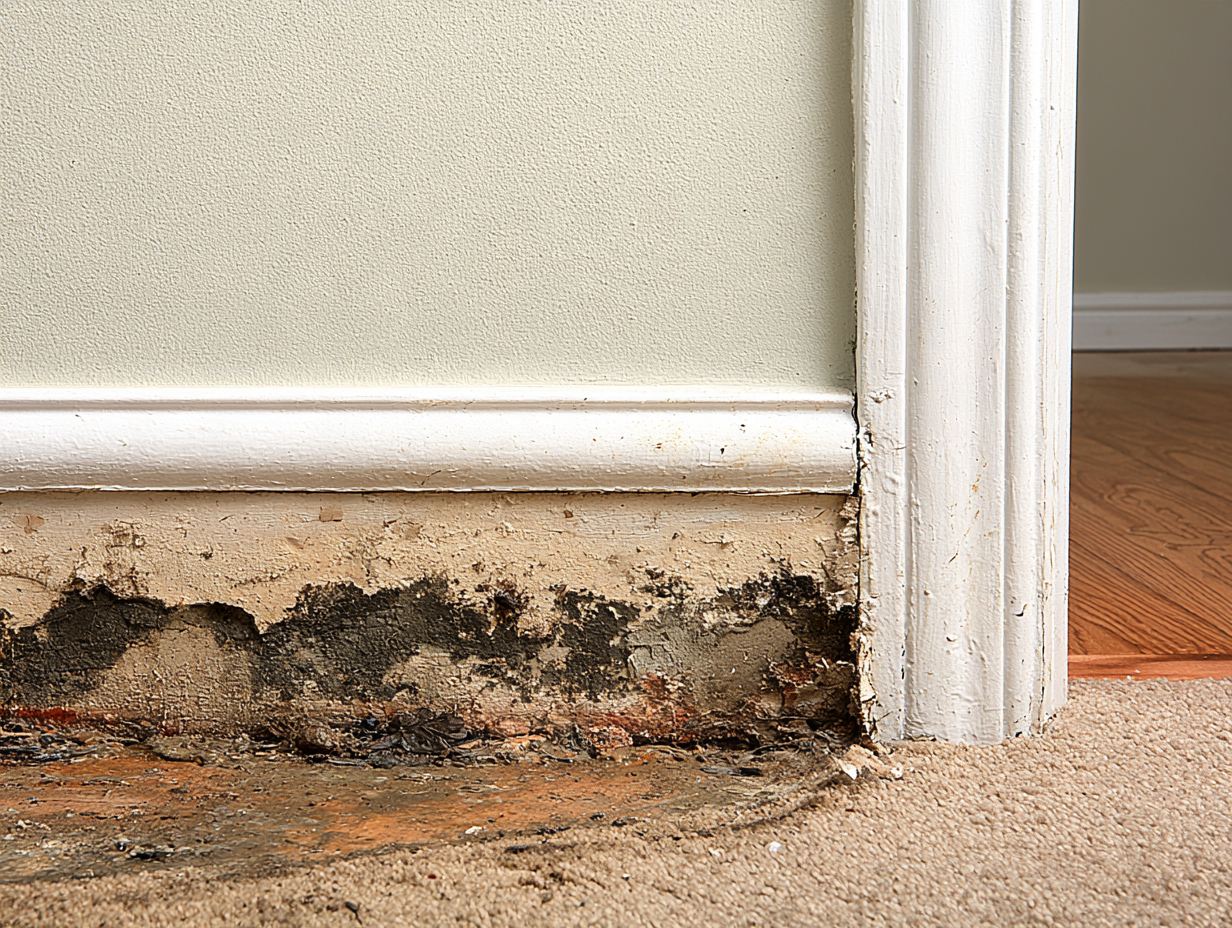
What Water Damage Restoration Includes
Water damage restoration is everything that happens after the standing water is gone: drying the structure, finding hidden moisture, removing materials that can't be saved and repairing your home to the condition it was in before. It's the difference between a floor that looks dry and a home that actually is dry.
A typical restoration job in Corvallis covers:
- Water damage cleanup and removal of saturated materials
- Structural drying with air movers and dehumidifiers
- Moisture monitoring until materials reach normal dryness
- Cleaning and sanitizing affected areas
- Repairs: drywall, flooring, baseboards, cabinets and paint
Call (541) 230-7203 to get connected with an independent water damage restoration contractor who works in your area. If water is still standing, start with emergency water extraction.
Signs You Need Water Damage Cleanup
Not all water damage is obvious. Call if you notice:
- Stains or discoloration on ceilings, walls or around baseboards.
- Soft, bubbling or peeling drywall or paint.
- Cupping, buckling or gaps in hardwood or laminate floors.
- A musty smell that doesn't go away, especially in basements, closets or under sinks.
- Damp or warm spots in carpet with no obvious spill.
- Rising water bills with no change in use, a sign of a hidden leak.
- Visible mold on walls, baseboards or in the crawl space.
Seeing stains, swelling or a musty smell?
Call (541) 230-7203 and get connected with a local restoration contractor.
Call (541) 230-7203The Restoration Process: Extraction, Drying, Repair
- Assessment. The contractor identifies the water source, the category of water and how far moisture has spread, using meters and thermal imaging.
- Water removal. Any remaining standing water is extracted.
- Demolition of unsalvageable materials. Saturated carpet pad, swollen particleboard and drywall that has wicked water are cut out so the framing behind can dry.
- Structural drying. Air movers and dehumidifiers run for several days. Moisture readings are taken daily until everything is back to normal.
- Cleaning and sanitizing. Surfaces are cleaned and treated, especially after gray or contaminated water.
- Repair and rebuild. New drywall, flooring, trim and paint return the space to normal.
Structural Drying and Dehumidification
Water damage drying is where most DIY attempts fall short. Surfaces can feel dry within a day while the framing, subfloor and insulation behind them stay wet for weeks. That hidden moisture is what leads to mold, odors and rot.
Professional drying works by creating the right conditions: high airflow across wet surfaces, low humidity in the room and steady warmth. Air movers push moist air off materials, and commercial dehumidifiers pull that moisture out of the air. In a damp Willamette Valley winter, when the outside air is already wet, dehumidification is especially important. Opening windows often makes things worse, not better.
Contractors measure moisture daily and don't remove equipment until readings reach normal levels for each material.
Flooded Basement and Crawl Space Cleanup
Flooded basement cleanup usually means removing wet carpet and pad, cutting out the bottom of drywall and drying the slab and walls. If groundwater or surface water came in, the area also needs to be cleaned and sanitized.
Crawl space water removal is one of the most common restoration jobs in the Mid-Willamette Valley. Many local homes sit over vented crawl spaces where rain and groundwater collect during the wet season. Water is pumped out, wet insulation and damaged vapor barrier are removed, and the space is dried with dehumidifiers. Left alone, a wet crawl space can lead to mold on floor joists, sagging floors and musty odors in the house above.
Read more: crawl space flooding in Willamette Valley homes.
Burst Pipe Water Damage
A burst pipe can release a large amount of water in a short time, often inside a wall or ceiling where it isn't noticed right away. Burst pipe water damage typically needs:
- The pipe repaired by a plumber
- Water extracted from floors below the break
- Drywall or ceiling opened to dry the cavity
- Insulation replaced where it got soaked
- Structural drying, then patching and painting
Corvallis winters are usually mild, so many homes have pipes that aren't well protected. A few nights below freezing can be enough to split one. See frozen and burst pipes in Corvallis winters.
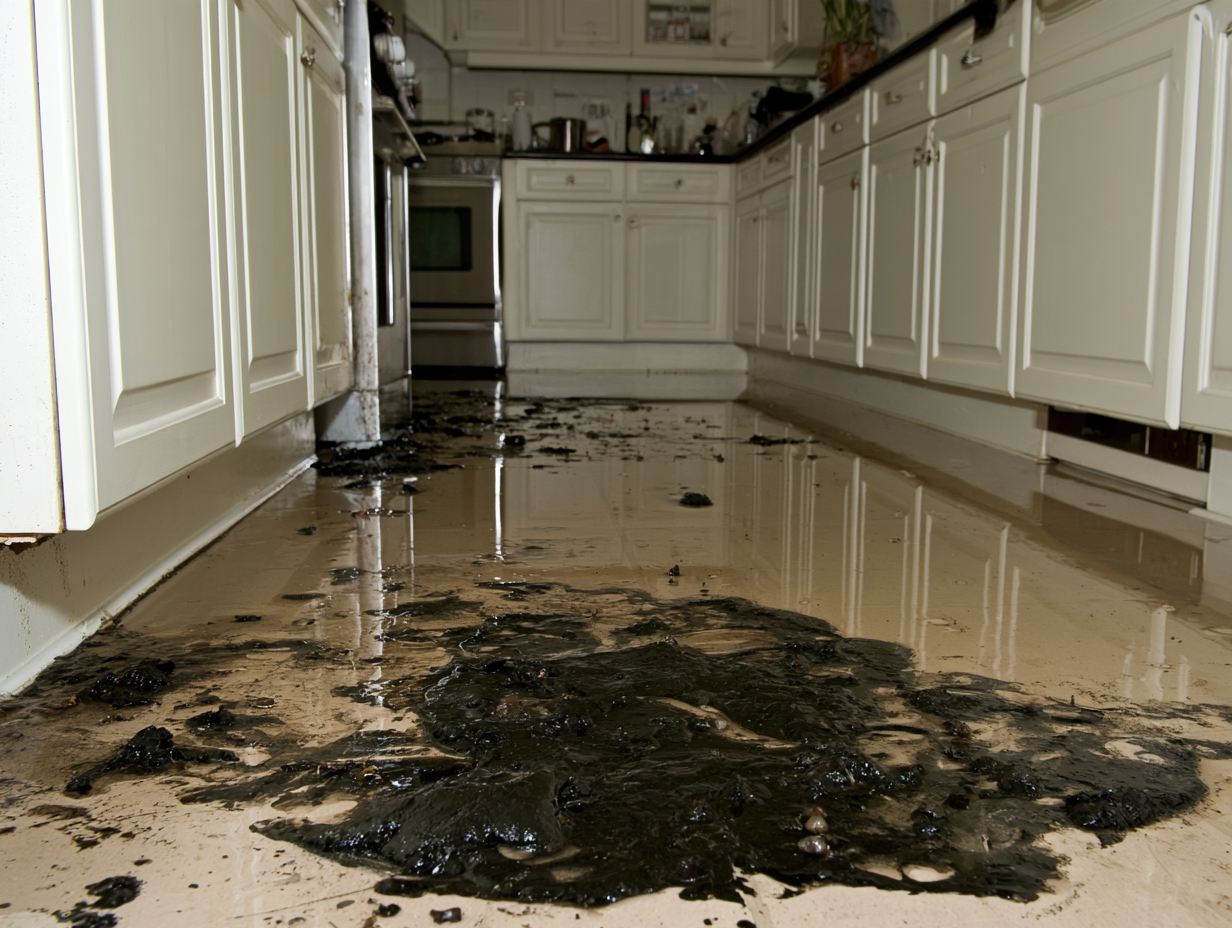
Category 1, 2 and 3 Water: Why It Matters
The type of water involved decides how your home is cleaned:
- Category 1 (clean water): From a supply line, faucet or rain through a roof. Most materials can often be dried and kept if action is fast.
- Category 2 (gray water): From a washing machine, dishwasher or toilet overflow without waste. Some materials need removal and everything needs cleaning.
- Category 3 (black water): From sewage, toilet backups with waste, or outside flooding. Porous materials like carpet and drywall are usually removed, and the area must be sanitized.
Clean water can become Category 2 or 3 if it sits. Another reason not to wait. Learn more: water damage categories explained.
Restoration vs. DIY Cleanup
Reasonable to handle yourself
- A small, clean-water spill caught right away
- Wiping down hard surfaces and running fans for a minor leak
- Moving belongings out of the affected area
Call a restoration contractor
- Drywall, subfloor, insulation or carpet pad is wet
- Water has been sitting longer than a day
- The water is gray or contaminated
- You smell mustiness or see mold
- The affected area is larger than a small room
Professional water damage repair isn't just about speed. It's about knowing when something is truly dry, and that requires the right meters and experience.
Let a local pro get your home dry
Call (541) 230-7203 to get connected with a restoration contractor.
Call (541) 230-7203Preventing Future Water Damage
- Insulate pipes in crawl spaces and exterior walls before winter.
- Inspect the water heater yearly. Most last 8 to 12 years.
- Clean gutters each fall, before the heavy rain starts.
- Check under sinks and behind appliances for slow drips.
- Make sure soil slopes away from the foundation.
Water Damage Restoration Across Benton & Linn Counties
Benton County
Linn County
Nearby
Looking for general help in town? See water damage in Corvallis.
Water Damage Restoration FAQ
How long does water damage restoration take?
Drying typically takes three to five days for a common household leak. Repairs afterward depend on how much material was removed and can take from a few days to a few weeks.
Will water-damaged drywall need replacing?
Not always. Drywall wet from clean water and dried quickly can sometimes be saved. Drywall that has swollen, crumbled, sat wet for days or been exposed to contaminated water is usually cut out and replaced.
How do I know if there's hidden moisture?
Moisture meters and thermal imaging cameras can detect water inside walls, under floors and in ceilings. Restoration contractors use these to confirm when an area is truly dry.
Does insurance cover water damage restoration?
Many homeowners policies cover sudden, accidental water damage and the restoration that follows. Gradual leaks and outside flooding are often excluded. Contact your insurer early and document the damage with photos.
Can mold grow after water damage is dried?
If materials are dried thoroughly and quickly, mold risk drops a lot. Mold usually grows when hidden moisture is missed, which is why professional moisture readings matter.
Related Service
Emergency Water Extraction: fast removal of standing water.
Category 1, 2 and 3 Water Damage Explained
Clean, gray and black water: what each means for your safety and your cleanup.
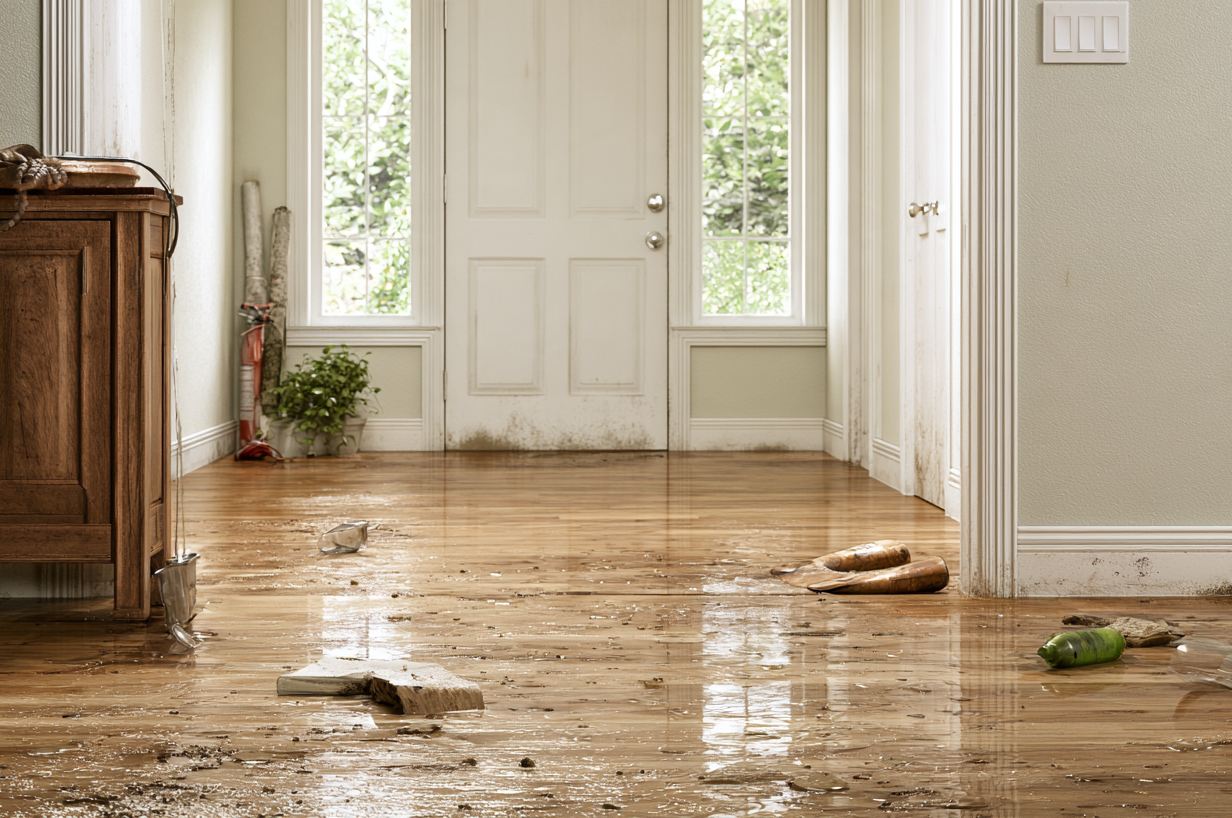
Frozen and Burst Pipes in Corvallis Winters
Why pipes burst in a mild climate, how to prevent it, and what to do if one breaks.