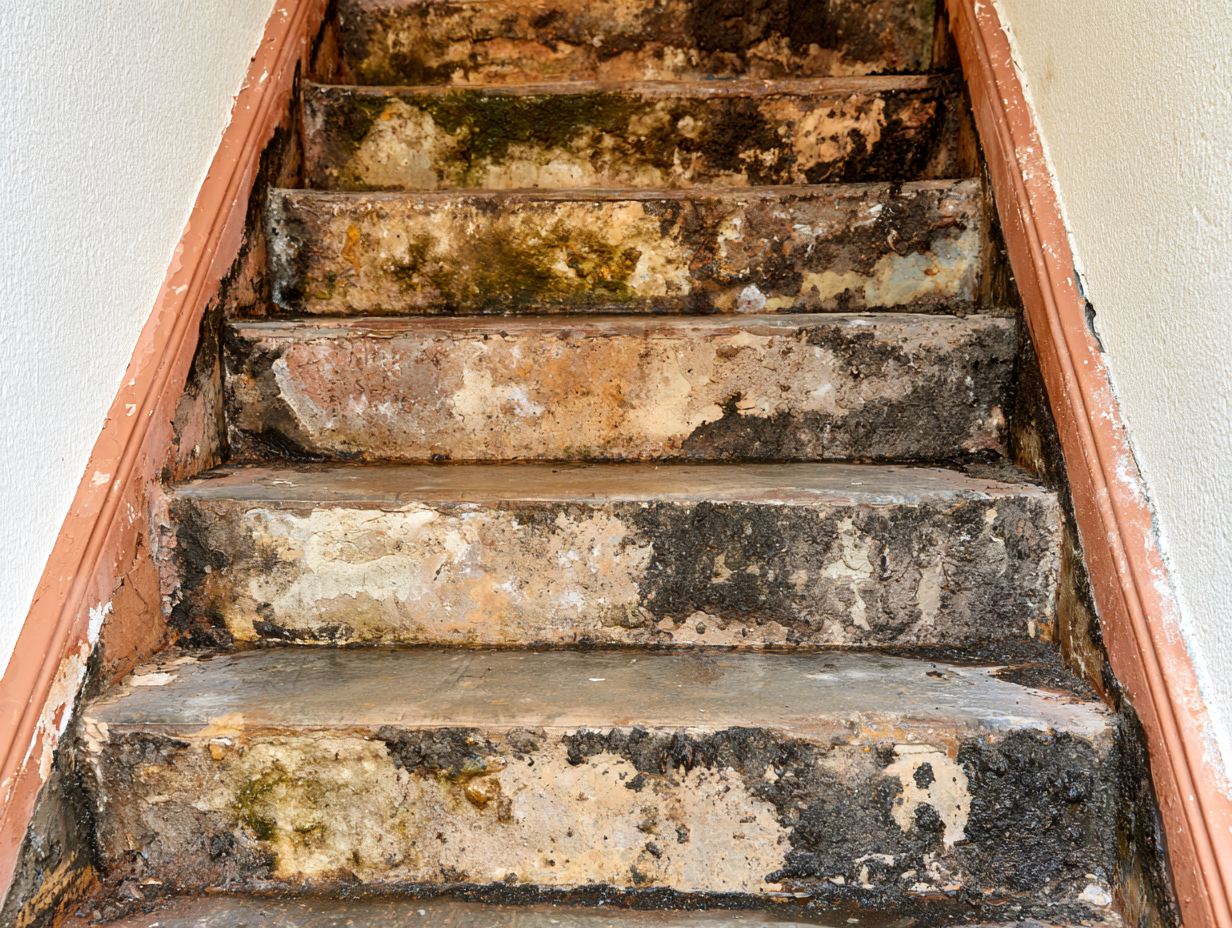
If you live in Corvallis, Albany or almost anywhere in the Mid-Willamette Valley, there's a good chance your house sits over a crawl space. It's one of the most common foundation types in western Oregon, and one of the most common places for water damage to start without anyone noticing.
Why So Many Valley Homes Have Crawl Spaces
Crawl spaces are a practical fit for western Oregon. They lift the house off damp ground, give access to plumbing and wiring, and work well on the valley's clay-heavy soils. Homes of almost every age, from early-1900s houses near downtown Corvallis to subdivisions built in the last decade, use them.
The tradeoff is that a crawl space sits right where water wants to go. From November through March, the ground across the valley stays saturated, especially on the flat valley floor around Tangent, Harrisburg and Monroe, and that water has to go somewhere.
How Water Gets In
- Rain and runoff. Clogged gutters, short downspouts and soil that slopes toward the house send roof water straight down the foundation wall.
- High groundwater. In wet winters, the water table can rise high enough to seep up through the soil floor of the crawl space.
- Plumbing leaks. Supply lines, drain lines and water heaters often run through the crawl space. A slow drip or a burst pipe can soak the area for weeks before anyone looks.
- Frozen pipes. Pipes in vented crawl spaces are among the most exposed in the house during a cold snap.
- Leaks from above. Water from a kitchen, bathroom or laundry leak upstairs often ends up under the house.
Warning Signs
Most people don't go into their crawl space often. Watch for these clues from above:
- A musty or earthy smell in the house, especially near floor vents
- Soft, bouncy or sagging floors
- Cupping or buckling in hardwood floors
- Higher humidity indoors, condensation on windows
- More spiders, insects or rodents than usual. Pests like damp spaces.
- Higher heating bills. Wet insulation doesn't insulate.
- A water bill that's jumped without explanation
If you notice any of these, take a flashlight and look through the crawl space access, or have someone look for you.
Standing water under your house?
Call (541) 230-7203 to get connected with a local contractor.
Call (541) 230-7203The Risks of Leaving It
A wet crawl space isn't just a crawl space problem:
- Mold can grow on floor joists, subfloor and insulation within days.
- Wood rot weakens joists, beams and sill plates over time.
- Insulation soaks up water, sags and falls down.
- Air quality suffers. Air from the crawl space moves up into the living area.
- Pests move in, attracted by moisture.
How Professional Water Removal and Drying Works
A typical crawl space job includes:
- Finding and stopping the source, whether it's a pipe, drainage issue or groundwater.
- Pumping out standing water with submersible pumps.
- Removing wet insulation and damaged vapor barrier, which can't be dried effectively in place.
- Drying the space with dehumidifiers and air movers, monitored with moisture meters until the wood framing reaches normal levels.
- Cleaning and treating surfaces if contaminated water or mold is involved.
- Replacing insulation and vapor barrier once the space is dry.
This is part of professional water damage restoration. If the water is still standing, the first step is emergency water extraction.
Vented vs. Encapsulated Crawl Spaces
Most older Willamette Valley homes have vented crawl spaces, with openings in the foundation to let air move through. The idea is that airflow keeps the space dry. In practice, during the valley's long wet season, the outside air coming in is often damp itself, and vents can't keep up when water is pooling on the ground.
Some homeowners choose encapsulation, sealing the crawl space with a heavy vapor barrier on the floor and walls, closing the vents and controlling humidity with a dehumidifier. It's a bigger project, but it can make a real difference in homes that take on water every winter.
Either way, the first step after a flood is the same: get the water out and get the space properly dry. Prevention upgrades come after, once you know where the water came from.
How to Inspect Your Own Crawl Space
You don't need to crawl all the way in to learn a lot. With a good flashlight, from the access hatch:
- Look for standing water or shiny, wet soil on the floor.
- Check the vapor barrier. Is it intact, or torn, bunched up and missing in places?
- Look at the insulation between floor joists. Is it in place, or sagging and falling down?
- Check joists and beams for dark staining, white or fuzzy growth, or soft spots.
- Notice the smell. A strong musty odor means moisture.
If you see standing water, mold or sagging insulation, it's time to call a pro.
Prevention
- Clean gutters each fall before the heavy rain starts, and make sure downspouts carry water at least several feet from the foundation.
- Check the grading. Soil should slope away from the house.
- Inspect the vapor barrier. It should cover the entire soil floor, with seams overlapped.
- Insulate exposed pipes before the first freeze.
- Consider a sump pump if the crawl space floods regularly from groundwater.
- Look under the house twice a year, once in fall and once in late winter.
The Bottom Line
In the Willamette Valley, crawl-space water is common. That doesn't make it harmless. The earlier it's found and dried, the less damage it does to the structure and the air in your home.
If you've found water under the house, call (541) 230-7203 to get connected with an independent local water damage contractor. Learn more about water damage in Corvallis.
What to Do in the First 24 Hours After Water Damage
A step-by-step checklist to stop the water, stay safe, protect your insurance claim and prevent mold.
Frozen and Burst Pipes in Corvallis Winters
Why pipes burst in a mild climate, how to prevent it, and what to do if one breaks.