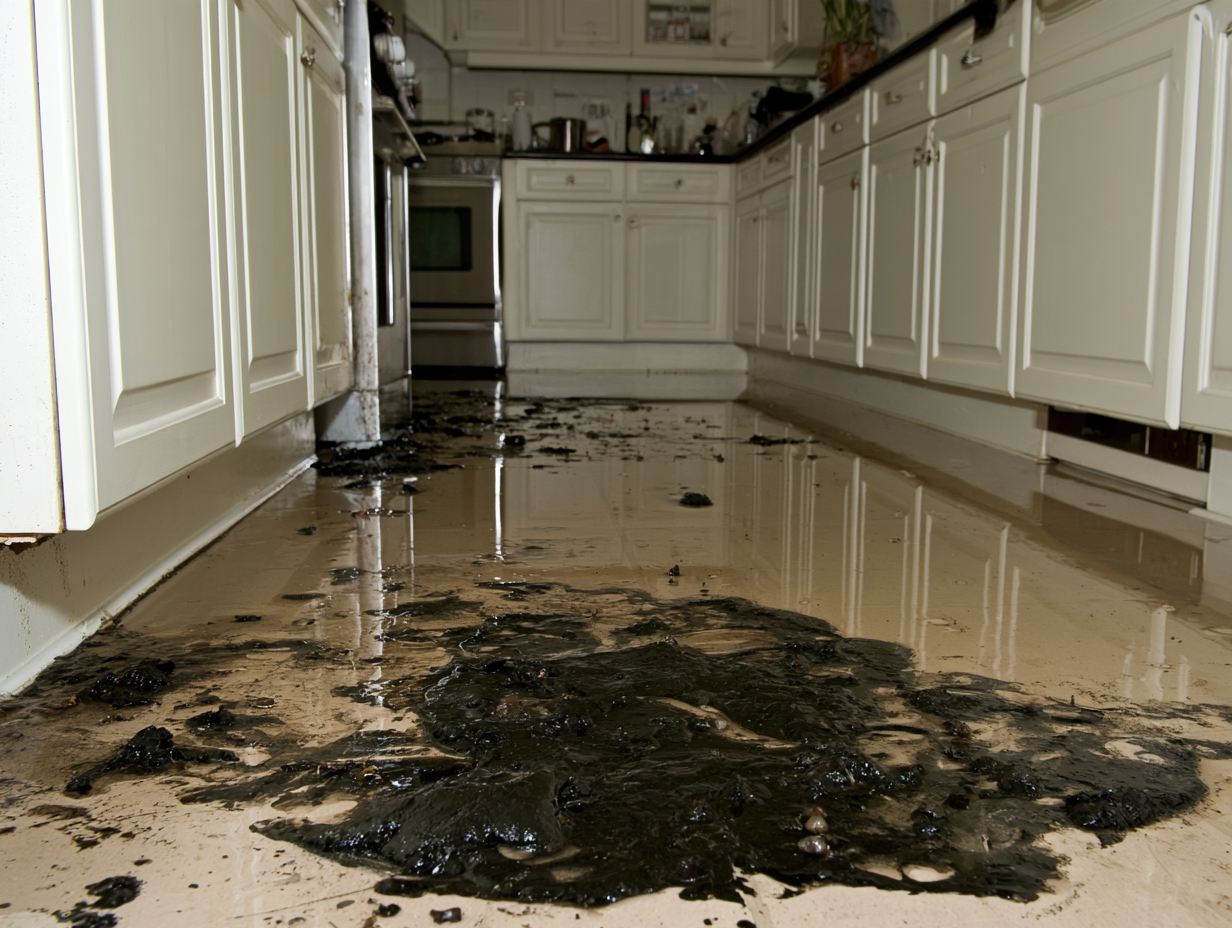
Not all water damage is the same. The industry sorts it into three categories based on how clean the water is, and that category decides how your home is cleaned, what can be saved and how careful you need to be. These categories come from the IICRC S500 standard, the guideline most water damage restoration contractors follow.
Category 1: Clean Water
What it is: water from a sanitary source that doesn't pose a substantial health risk at the start.
Common sources:
- Broken water supply lines
- Burst pipes carrying fresh water
- Overflowing sinks or tubs (with no contaminants)
- Rain coming through a roof or window
- Melting ice or snow
What it means for cleanup: if it's dealt with quickly, many materials can be dried and kept, including carpet, pad and drywall in some cases. Extraction and structural drying are often enough.
Category 2: Gray Water
What it is: water with significant contamination that could cause discomfort or illness if touched or swallowed.
Common sources:
- Washing machine and dishwasher discharge
- Toilet overflow with urine but no feces
- Aquarium or waterbed leaks
- Sump pump failures
- Clean water that has sat and started to degrade
What it means for cleanup: some porous materials, especially carpet pad, are usually removed. Everything the water touched needs cleaning and treatment, not just drying. Avoid direct contact.
Not sure what kind of water you're dealing with?
Call (541) 230-7203 and describe it.
Call (541) 230-7203Category 3: Black Water
What it is: grossly contaminated water that can carry bacteria, viruses and other harmful agents.
Common sources:
- Sewage backups
- Toilet overflow containing feces
- Rising river or stream water entering the home
- Surface water from storms
- Any water that's been standing long enough to grow bacteria
What it means for cleanup: porous materials it touches, such as carpet, pad, drywall, insulation and upholstered furniture, are usually removed and thrown out. The area is cleaned and disinfected before drying. This is not a do-it-yourself job.
How Water Changes Category Over Time
Category isn't fixed. Clean water from a burst pipe that sits for a couple of days, especially in a warm room or a crawl space, starts picking up contaminants from the materials it touches, and bacteria begin to grow. Category 1 can become Category 2, and Category 2 can become Category 3.
That's one more reason speed matters. The same leak can be a straightforward drying job on day one and a much bigger removal-and-sanitize job by day three.
Why Category Decides the Cleanup Method
| Category 1 | Category 2 | Category 3 | |
|---|---|---|---|
| Health risk | Low at first | Moderate | High |
| Carpet pad | Often dried | Usually removed | Removed |
| Carpet | Often dried | Sometimes kept | Removed |
| Drywall | Often dried if fast | Case by case | Removed where wet |
| Cleaning | Drying | Clean + treat | Disinfect + remove |
| DIY? | Small spills only | Not recommended | No |
Category vs. Class: Two Different Things
You may also hear contractors talk about the class of water damage. Category describes how contaminated the water is. Class describes how much water is involved and how hard the area will be to dry:
- Class 1: a small area, with water mostly on low-absorbency materials like concrete or tile. The easiest to dry.
- Class 2: a whole room or more, with water wicked up walls and soaked into carpet and pad.
- Class 3: water came from above, soaking ceilings, walls, insulation and floors. The most water and the most evaporation needed.
- Class 4: "specialty drying" for dense materials like hardwood, plaster, brick or concrete that hold water deep inside and release it slowly.
A burst pipe in a ceiling might be Category 1 (clean water) but Class 3 (lots of wet material). A sewer backup in a basement might be Category 3 but Class 2. The contractor uses both to plan cleanup and drying.
What Category Means for Your Insurance Claim
Category can also affect your claim. Insurers generally expect contaminated (Category 3) materials to be removed rather than dried, so documentation of the water's source and category helps support the scope of work. On the other hand, sewer backups are often excluded unless you've added a water backup endorsement to your policy. Read more in does homeowners insurance cover water damage in Oregon.
Safety Around Sewage
If you have a sewage or toilet backup:
- Keep everyone out, especially children, pets and anyone with a weakened immune system.
- Don't touch it without gloves, boots and eye protection.
- Turn off HVAC if it might spread air from the affected area.
- Don't use fans in the area. They can spread contaminants.
- Wash thoroughly after any contact.
- Call a pro. Category 3 cleanup needs protective equipment, disinfectants and proper disposal.
Getting the Right Help
When you call (541) 230-7203, describe where the water came from. It helps the contractor understand what they're dealing with before they arrive. You'll be connected with an independent local contractor who handles emergency water extraction and water damage restoration across the Corvallis area, from Philomath to Lebanon. Learn more about water damage in Corvallis.
What to Do in the First 24 Hours After Water Damage
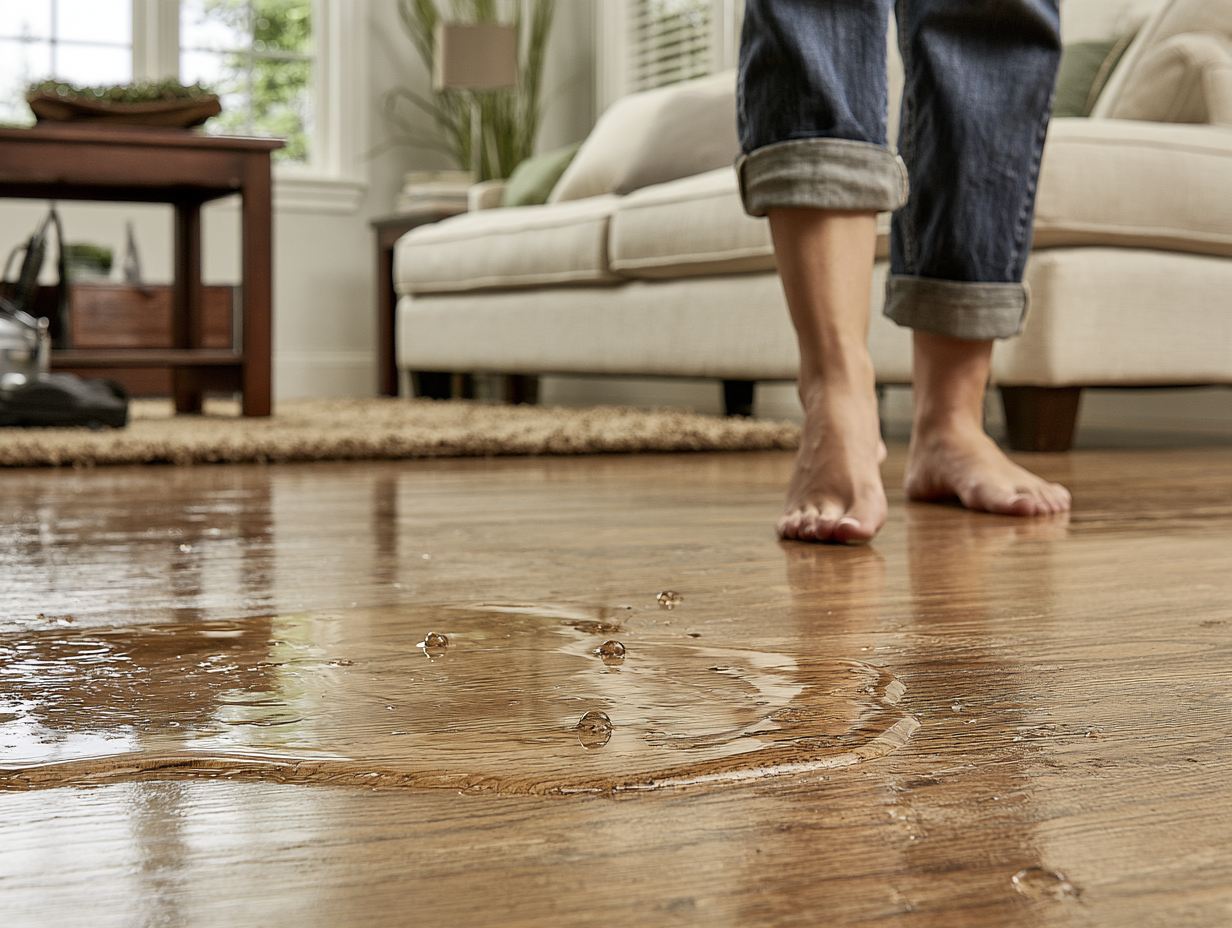
A step-by-step checklist to stop the water, stay safe, protect your insurance claim and prevent mold.
Does Homeowners Insurance Cover Water Damage in Oregon?
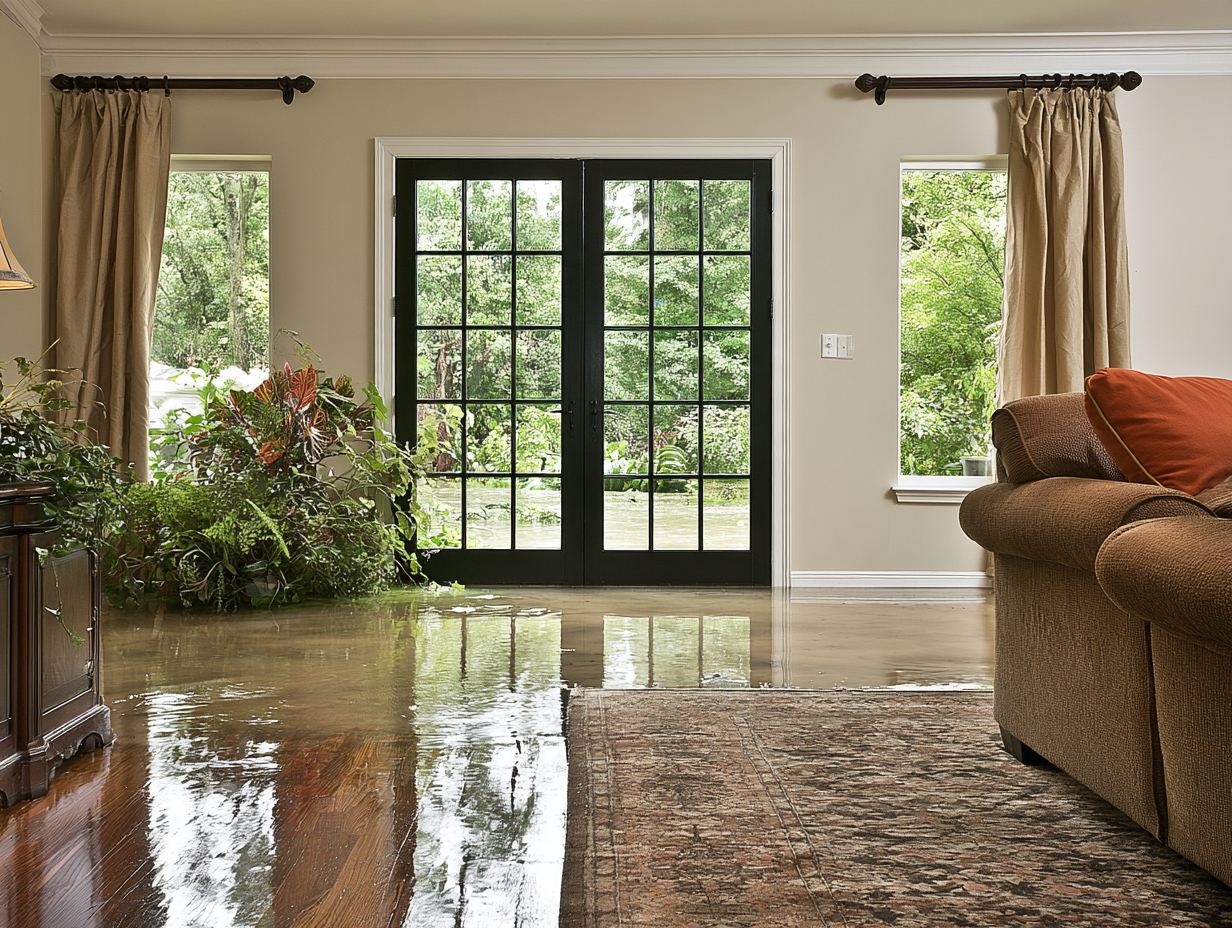
Sudden vs. gradual damage, common exclusions, flood insurance in the valley and how to file a strong claim.